Extreme Medicine is a scientific and practical peer–reviewed journal of the Federal Medical and Biological Agency of Russia (Moscow).
Since 1999, quarterly publishes free of charge the results of basic and applied research related to the assessment of the impact of environmental factors on public health; research of the body adaptation mechanisms in the extreme environmental conditions; research of the influence of work and environmental factors on the workers body, including a special contingent of aviation, space and marine industries; improvement of the risk assessment and management system for the development of environmentally caused, socially significant and occupational diseases; improvement of medical technologies to ensure high-performance sports; development of new methods for obtaining, storing, quality control of donor blood components and issues of improving blood services, and others.
Since 2020, the journal has been published in English. The content of the Russian-language and English-language editions is identical.
Journal is distributed in the Russian Federation and other countries.
The journal is represented in international and Russian databases: RSCI (Russian Science Citation Index), Scopus, Google Scholar, CyberLeninka, is included in the Unified State List of Scientific Publications — "White List" (Level 1); is included in the List of leading peer-reviewed scientific journals and publications of the Higher Attestation Commission of the Ministry of Education and Science of the Russian Federation (HAC RF), in which the main scientific results of dissertations for the degree of Doctor and Candidate of Sciences should be published sciences.
The subscription code:
- Ural-Press catalogue – 015598 (In Russ.), 015599 (Eng.);
- Kniga-servis catalogue – 45101 (In Russ.), 28044 (Eng.)
Current issue
MAIN TOPIC: APPLIED ASPECTS OF SPORTS MEDICINE
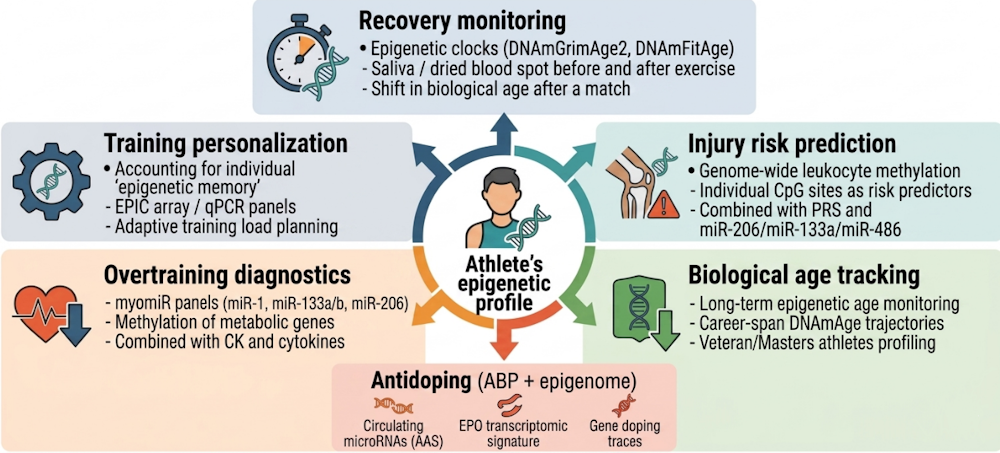
Introduction. Physical exercise is one of the most powerful environmental factors modulating epigenetic modifications of the genome. The regulation of gene activity via the chemical modification of DNA, histone alterations, and non-coding RNAs serves as a link between training and the developing athletic phenotype. However, published data remain fragmented and often contradictory due to methodological challenges, heterogeneous cohorts, and a lack of protocol standardization.
Objective. Systematization and synthesis of current data on the influence of physical exercise on epigenetic modifications of the genome, analysis of their contribution to the processes of adaptation, recovery, and formation of the risk of pathological conditions in athletes, as well as assessment of the prospects for the use of epigenetic markers in sports medicine.
Discussion. Physical exercise induces specific changes in the three main components of the epigenome. Acute and chronic loads cause hypomethylation of the promoters of energy metabolism genes (PPARGC1A, PDK4, PPARD), which is accompanied by increased expression and mitochondrial biogenesis. Histone modifications (acetylation, phosphorylation of H3.3-Ser-31, lactylation) alter chromatin packing density. The spectrum of microRNAs depends on the type and duration of training; however, information on individual microRNAs (including miR-1) remains contradictory, largely due to differences in methodology (participant training status, time points, normalization method, sex). Signaling cascades (AMPK, MAPK, IGF-1/Akt, NF-κB, NFE2L2) integrate energetic signals and the epigenetic response. The epigenetic response is tissue-specific and is modulated by sex, age, and ethnicity. Promising directions include the analysis of exerkines, including microRNAs from extracellular vesicles, and nutricepigenetics.
Conclusions. Physical exercise consistently induces characteristic epigenetic modifications that participate in adaptation and can be considered as potential biomarkers of an athlete’s functional state. Promising areas of application in sports medicine include monitoring recovery through epigenetic clocks, predicting injury and overtraining, personalizing training, and extending the Athlete Biological Passport with epigenetic markers. Implementation of the results into clinical practice requires overcoming methodological limitations and further prospective research.
Introduction. Athletic overtraining represents a maladaptation of the body’s functional systems that leads to decreased performance. The evaluation of this state is hindered by the lack of a unified assessment framework and definitive markers, resulting in inconsistent research findings. This ambiguity underscores the need to develop reliable and valid diagnostic tools.
Objective. To assess the consistency of research findings on overtraining markers in athletes.
Methods. A systematic review of 1976 publications was conducted; a total of 22 full-text studies published between 2006 and 2026 were selected using the Google Scholar search engine, as well as the PubMed/MEDLINE, RSCI/eLIBRARY, and CyberLeninka bibliographic databases. Data synthesis was guided by the Synthesis Without Meta-Analysis (SWiM) approach, incorporating the vote-counting method and effect direction plots. The risk of bias was assessed using the Risk of Bias in Non-randomized Studies — of Interventions (ROBINS-I) tool. The certainty of evidence was evaluated according to the GRADE methodology.
Results. Thirty markers were analyzed and grouped into five categories: biochemical and endocrine, physiological, psychometric and subjective, morphological, and molecular genetic and immunological markers. Full consistency (100%) was observed for psychometric and subjective scales: the Profile of Mood States questionnaire (POMS; 6/6 studies), the Recovery Stress Questionnaire for Athletes (RESTQ-Sport; 3/3 studies), and the rating of perceived exertion (RPE; 3/3 studies). The consistency scores for several markers were derived only from a single study (n = 1 for 11/30 markers) or a single research project (the EROS project: n = 3 for skeletal muscle and fat mass and basal metabolism; n = 2 for the neutrophil-to-lymphocyte ratio), which limits the generalizability of the conclusions. Isolated markers demonstrated lower consistency compared to composite metrics: 44.4% for cortisol (4/9 studies), 75% for creatine kinase (3/4 studies), 62.5% for testosterone (5/8 studies), 75% for lactate during exercise (3/4 studies), and 33.3% for maximal oxygen uptake (1/3 studies). Among the composite metrics, the highest consistency was observed for the anabolic index (4/5 studies; 80%) and the ratio of maximal heart rate to maximal lactate level (4/4 studies; 100%). In terms of the risk of bias, 81.8% of studies showed a moderate risk, 13.6% a high risk, and 4.5% a low risk. The certainty of evidence for the markers was assessed as relatively low (moderate: 40%; low: 30%; very low: 30%) due to ethical constraints (restricting research to observational designs), small sample sizes, and uncontrolled factors.
Conclusions. While the findings indicate the potential value of these markers for diagnosing overtraining, a cautious interpretation is advised due to the limited GRADE certainty, the insufficient number of studies for certain markers, and the fact that some data were derived from a single research project. Identifying overtraining requires a comprehensive approach that accounts for maladaptive changes in the body’s functional systems. Psychometric and speed-strength tests can be applied for the early detection of overtraining signs in field conditions; in laboratory settings, composite metrics are advisable for a more in-depth and precise assessment. Further research should focus on standardizing diagnostic protocols, conducting prospective studies with larger sample sizes, recruiting female athletes and elite-level athletes, and evaluating the diagnostic accuracy of markers while accounting for the influence of external factors (sleep patterns, psychological stress, and dietary habits).
Introduction. Nutritional support for elite athletes significantly affects performance and health, including recovery and adaptation to training loads, body composition, and immune system status. At the same time, in practice, the prescription of specialized sports nutrition products (SSNPs) is often empirical and fails to account for the athlete’s actual diet, energy availability, laboratory parameters, and specific features of the training process. This increases the risk of unjustified prescription of SSNPs and dietary supplements.
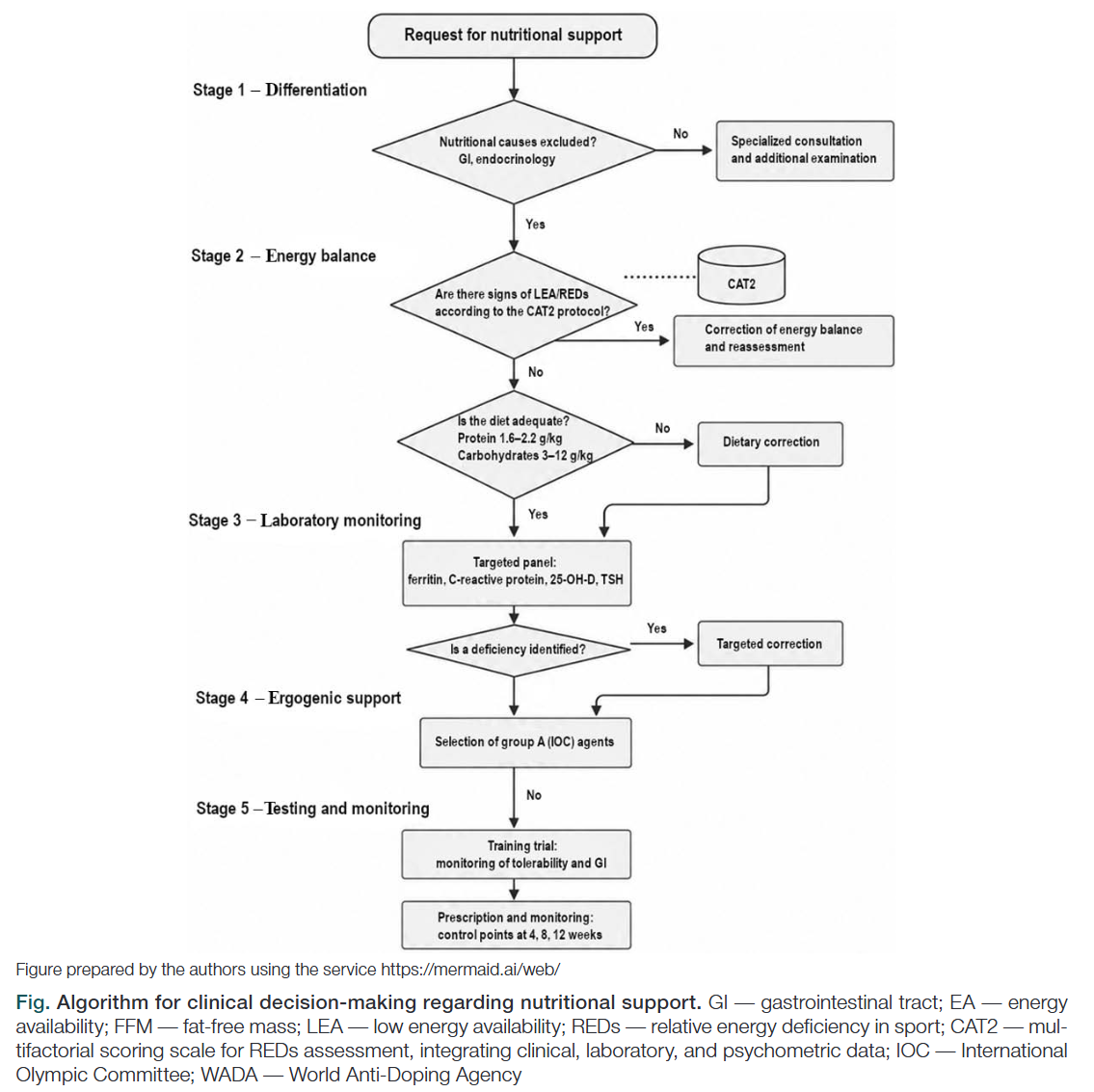
Objective. Systematization of current approaches to clinical decision-making in the field of nutritional support for athletes and development of a practice-oriented model for selecting components of a nutritional program.
Discussion. The following key stages in clinical decision-making were identified: defining the goal, assessment of energy availability and baseline nutrition, laboratory verification of suspected deficiencies, risk stratification, selection of a minimally sufficient intervention in the form of SSNPs and dietary supplements. In most cases, the correction of the baseline diet was shown to be a priority, whereas additional nutritional support should be applied in a targeted manner and only when clinical or laboratory indications are present.
Conclusions. Based on current literature data, an algorithm for clinical decision-making in the field of nutritional support for professional athletes has been developed. Rational nutritional support for athletes should rely on the principles of evidence-based practice, personalization, clinical safety, and dynamic monitoring. Clinical decision-making should be based not on the expansion of the regimen of SSNPs and dietary supplements used, but on a sequential algorithm: diet → targeted diagnostics → clinically justified intervention → assessment of dynamics. The correction of baseline nutrition and energy availability is the priority; SSNPs and dietary supplements should be applied in a targeted manner and only when their benefits and safety for the specific type of exercise have been established.
Introduction. In recent years, due to the increase in cardiovascular diseases and mortality among young patients, increasing attention has been paid to lipid metabolism disorders in children. Despite the proven cardioprotective effect of regular physical activity, lipid metabolism disorders are detected in a significant proportion of professional athletes (20–35.8%). Key risk factors include: dietary patterns, intake of dietary supplements and certain medications, excessive training loads, and insufficient recovery. To date, there are no standardized reference values for lipid profile parameters adapted to the age, gender characteristics, and specificity of sports activity in adolescent athletes. Furthermore, the task of developing criteria for cardiovascular risk stratification in the pediatric population remains unresolved, leading to late diagnosis of pathological conditions and untimely initiation of preventive and therapeutic interventions.
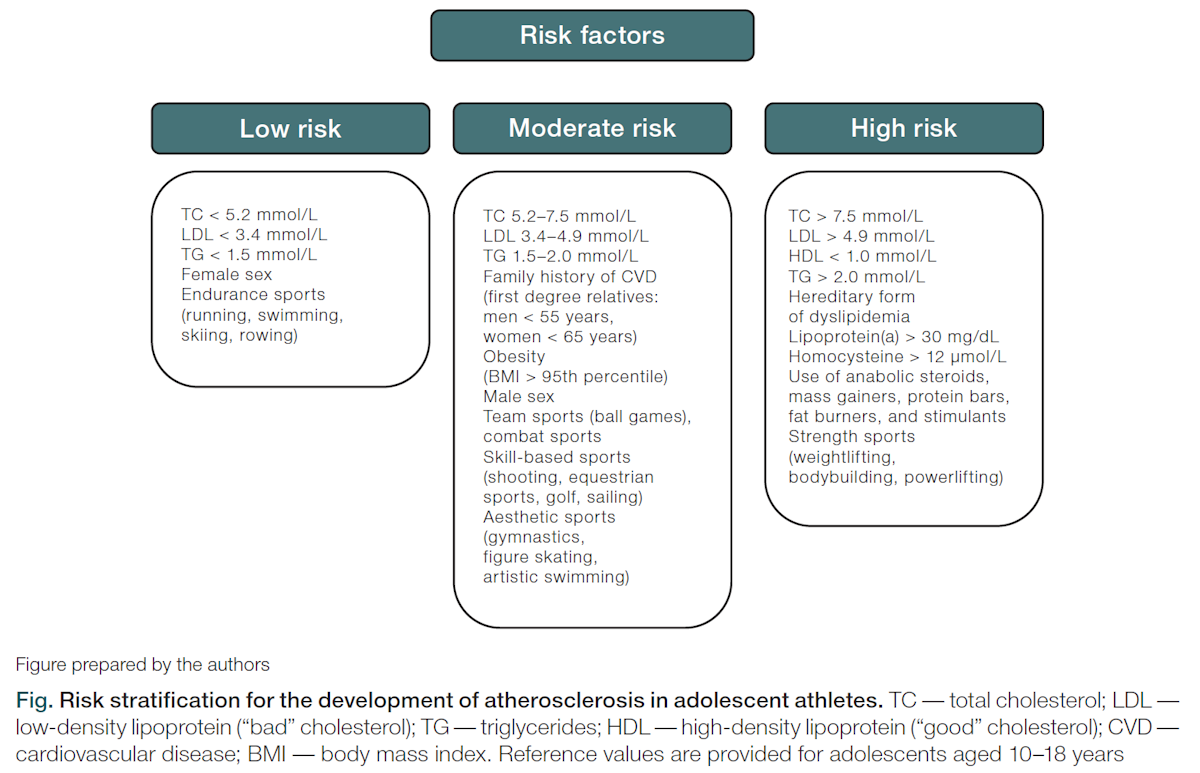
Objective. To determine the directions for the prevention of lipid metabolism disorders in adolescent athletes.
Discussion. Based on the results of the conducted literature analysis, it was revealed that the most prognostically unfavorable factors are non-modifiable factors: familial hypercholesterolemia and elevated lipoprotein(a) levels. Among modifiable factors, the key role is played by nutritional disorders (excess saturated fats and carbohydrates in strength sports, chronic energy deficiency in aesthetic sports), the specific characteristics of the sport, as well as the uncontrolled use of sports supplements and pharmacological agents, particularly anabolic steroids. Hyperhomocysteinemia deserves special attention, as its prevalence among athletes is higher than in the general population.
Conclusions. Dyslipidemias in adolescent athletes are predominantly secondary in nature, which requires a comprehensive assessment taking into account genetic predisposition, dietary patterns, type of sport, and pharmacological history. The feasibility of including extended lipid screening in the in-depth medical examination program for young athletes has been substantiated.
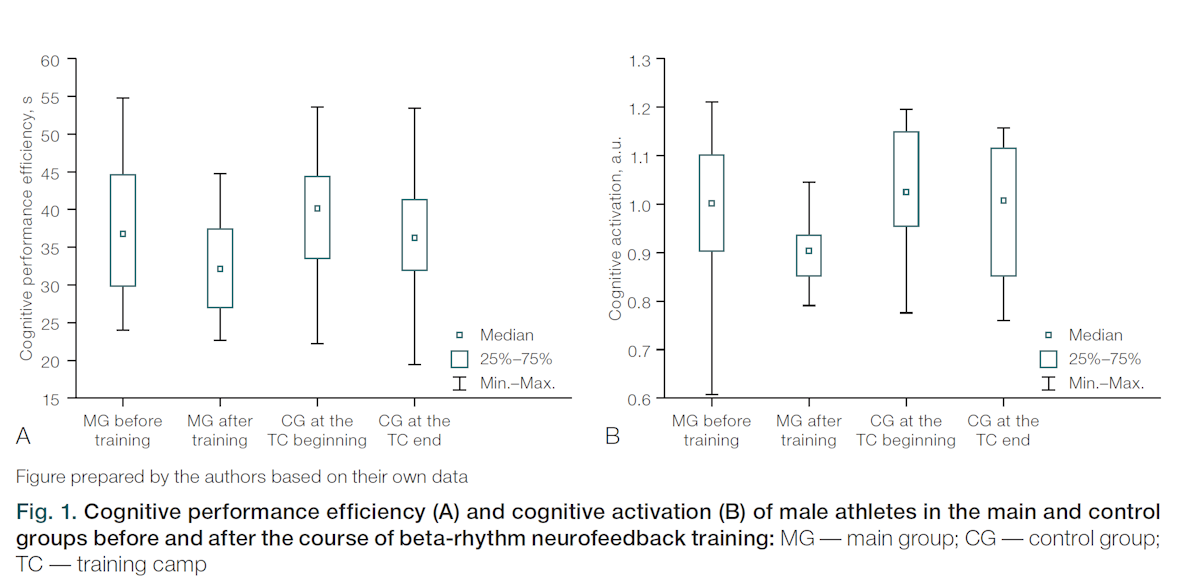
Introduction. Neurofeedback is a type of biofeedback that targets brain rhythms. The prospects for its application in rehabilitation and sports medicine stem from its non-invasive and non-pharmacological nature of changing the functional state through controlled parameters and body functions. At present, alpha-rhythm neurofeedback training is widely used in sports medicine, whereas the effects of beta-rhythm neurofeedback remain largely unexplored.
Objective. The study aims to investigate the effect of beta-rhythm neurofeedback training on the functional state of body systems in male athletes during intensive training camps conducted in the mid-mountains.
Materials and methods. The study involved 47 highly qualified male athletes divided into a main group of 27 individuals (median age: 21 [18; 24] years) and a control group of 20 individuals (median age: 20 [18.5; 22.5] years). A neurofeedback session targeting beta rhythms consisted of a graphic session (10 min) and a game session (16 min); the course comprised 8–10 sessions. Along with psychophysiological testing, the physiological parameters of the cardiovascular, respiratory, and nervous systems were recorded before the first and after the last sessions. Statistical data processing was performed using Statistica 13.0 software.
Results. A comparison of the parameters of bodily functions in male athletes before and after the neurofeedback training course showed a decrease in physiological strain, as evidenced by heart rate variability, hemodynamics, respiratory parameters, and galvanic skin response. Also, the indicators of mental performance and beta rhythms were noted to increase relative to the control.
Conclusions. The course of neurofeedback training targeting beta rhythms was found to have a positive effect in male athletes, which manifested itself in improved function of the central and autonomic nervous systems, increased cardiac efficiency, and optimization of the respiratory cycle. The obtained results open up prospects for athletes to achieve higher performance by reducing physiological strain and, consequently, fatigue during intensive activities.
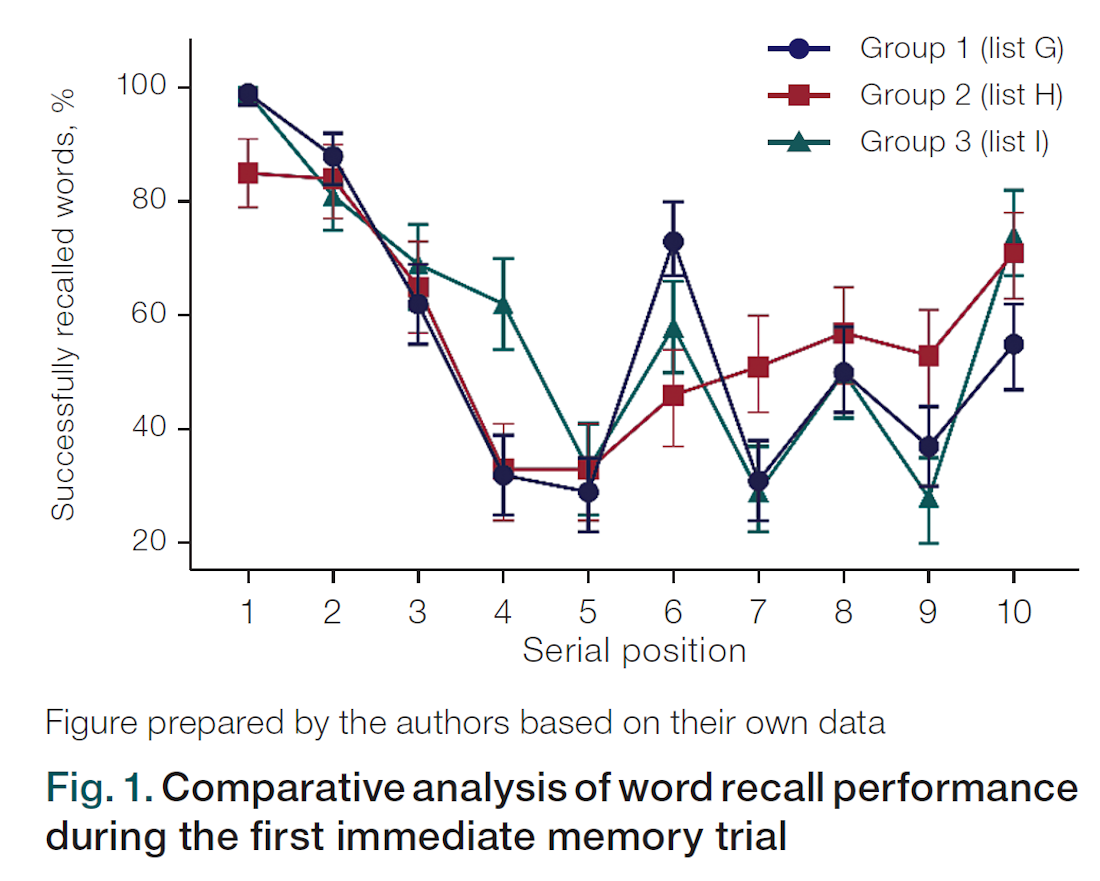
Introduction. Concussion, whose diagnosis is primarily based on clinical evaluation, is a pressing issue in modern sports. To improve diagnostic methods for concussion in high-performance sports, the Sport Concussion Assessment Tool (SCAT) protocol is used. However, as the original versions of this protocol are published in English, their application in other languages presents challenges in terms of cultural adaptation and linguistic nuances.
Objective. To evaluate the comparability and equivalence of the three proposed Russian-language 10-word lists for memory assessment in athletes within the SCAT-5 protocol.
Materials and methods. An examination of 446 athletes was conducted using the SCAT-5 protocol (373 males, 73 females; median age 37 [26; 43] years). Only athletes who showed no abnormalities during baseline (pre-competition) testing were included. The Russian-language version of the SCAT-5 protocol, featuring three different word lists for memory assessment, was prepared and adapted by specialists from the National Center of Sports Medicine of the Federal Medical and Biological Agency. Depending on the word list used to assess immediate memory, the athletes were divided into three groups. Evaluation metrics included the total number of symptoms, symptom severity score, immediate memory, and delayed recall. Statistical analysis was performed using IBM SPSS Statistics 23.0 software.
Results. Comparison of the integrated immediate memory scores across groups revealed no statistically significant differences (p > 0.05). Similarly, analysis of the integrated delayed recall scores showed no significant intergroup variations (p > 0.05). A positive correlation was found between the integrated immediate memory and delayed recall scores in each group (Group 1: r = 0.629, p < 0.001; Group 2: r = 0.663, p < 0.001; Group 3: r = 0.591, p < 0.001). No correlations were observed between immediate memory and the total number of symptoms (r = –0.011, p = 0.824) or symptom severity (r = –0.015, p = 0.747).
Conclusions. Each of the three proposed word lists demonstrated methodological validity comparable to the original English-language versions of SCAT protocols. These lists are interchangeable and are validated for use in the Russian-language versions of the SCAT-5, SCAT-6, and subsequent protocols where memory is assessed using 10-word sets. The implementation of this protocol enables more objective diagnosis and monitoring of athletes throughout various stages of post-concussion recovery.
Introduction. Given the continuously increasing complexity of modern sports, rising training intensity, and growing demands at competitions, studying the mechanisms of swimmers’ adaptation to extreme physical loads has become particularly relevant. The obtained data may serve as a scientific basis for optimizing training programs and individualizing load distribution.
Objective. To characterize adaptive responses to maximal-intensity exercise in swimmers across different qualification levels.
Materials and methods. Adaptive changes in the autonomic nervous, cardiovascular, and respiratory systems were studied in swimmers performing high-intensity swimming over a 500-m freestyle distance. The experiment involved 81 participants, who were divided into three groups of 27 individuals each, according to their professional level: low, moderate, and high. To assess the cardiovascular system, systolic and diastolic blood pressure and heart rate (HR) were measured in the subjects before and after completing the trial. HR was recorded using a portable cardiac monitor placed on the left upper arm and on the index finger of the right hand. To evaluate the pulmonary circulation, the exhaled nitric oxide (NO) level was measured with a NOBreath V2 nitric oxide analyzer. The following parameters were calculated: pulse pressure, mean arterial pressure, stroke volume, cardiac output, total peripheral vascular resistance, Quaas index, Kerdo index, Robinson index, and adaptive capacity.
Results. The results demonstrated a direct relationship between the time to complete the 500-m freestyle swimming trial and the athletes’ professional level: group 1 – 792 ± 25.2 s, group 2 – 655 ± 30.2 s, and group 3 – 468 ± 24.6 s. In swimmers with a high professional level, the following post-exercise changes were observed: a 90.8% increase in cardiac output (p < 0.05), driven by a 41.9% rise in stroke volume (p < 0.05) and a moderate 33.5% HR elevation (p < 0.05); a 47.2% reduction in total peripheral resistance (p < 0.05); and an 11.2% increase in NO levels (p < 0.05). Correlation analysis revealed an association between swimming trial performance and adaptive capacity, HR, and the Robinson index. In swimmers with low and moderate professional levels, the changes reflected an exhaustive response pattern. A pronounced HR increase was observed with a relatively modest rise in stroke volume. Exhaled NO levels decreased by 10.1% (p < 0.05) in the low-level group and by 3.7% (p < 0.05) in the moderate-level group. The increases in cardiac output were substantially lower – 49.1% (p < 0.05) and 75.4% (p < 0.05), respectively – than those observed in the high-level swimmers.
Conclusions. With increasing professional level, athletes develop a complex of adaptive changes that enable them to cope more effectively with high loads during intense swimming. In swimmers with low and moderate professional levels, the response to exercise was exhaustive in nature: a pronounced HR increase was observed alongside a negligible rise in stroke volume and a decrease in NO levels. In contrast, swimmers with a high professional level demonstrated a n economical adaptive response: a balanced increase in cardiac output was achieved through elevated stroke volume and a moderate rise in HR; additionally, exhaled NO levels increased and autonomic regulation was optimized. Collectively, these adaptations support greater efficiency in overcoming high-intensity loads when swimming a 500-m distance.
Introduction. The relevance of the study is substantiated by the ongoing state policy, the increasing number of children and adolescents engaged in physical education and sports, the high rate of injuries sustained during sports activities, and, consequently, the need to implement innovative treatment methods that minimize the duration of therapy and ensure the fastest possible return to the training process. Assessment of the subjects’ quality of life during research is one of the indicators (components) of the comprehensive evaluation of the effectiveness of the implemented medical technologies.
Objective. To assess the quality of life of underage athletes (aged 10–17 years inclusive) from Russian national teams with injuries and damage to major joints after a course of platelet-rich plasma therapy (PRP).
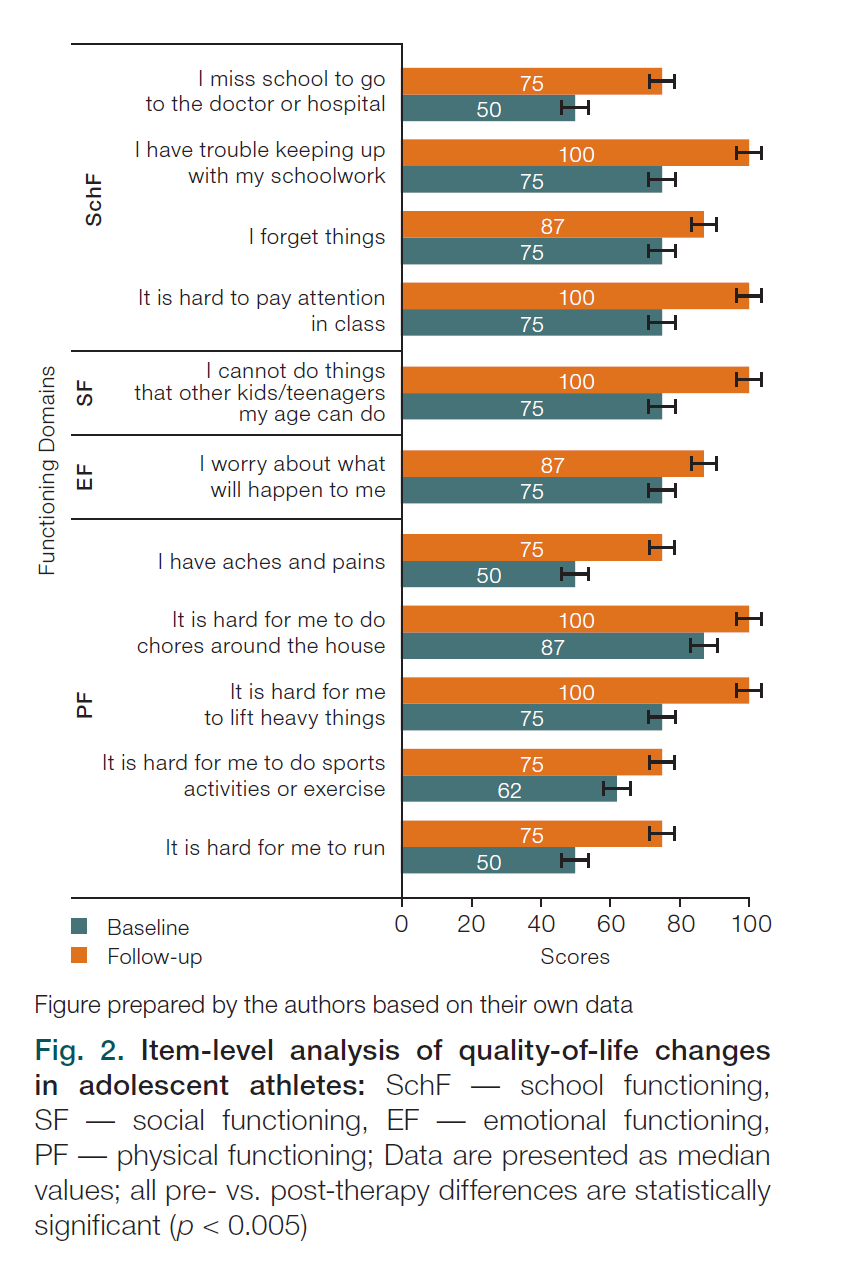
Materials and methods. Single-center, prospective, controlled, open-label study involving 22 adolescent athletes: median age 16 [15.25; 17.0] years (girls — 17 [16.0; 17.0] years; boys — 16 [14.5; 16.0] years) with injuries and lesions of large joints. PRP therapy (three injections at one-week intervals) was performed according to a standardized closed protocol used in the medical institution, using a commercial Arthrex kit. The following were performed: objective examination, consultations with an orthopedic traumatologist, pain assessment using a visual analog scale, muscle strength assessment according to the six-grade Hislop and Montgomery classification, functional tests to assess the integrity of the anterior cruciate ligament — the Lachman test and the ligaments of the knee and ankle joints — the anterior drawer test, clinical and laboratory tests (complete blood count), instrumental examinations (MRI — magnetic resonance imaging). Quality of life of adolescent athletes was assessed using the PedsQL 4.0 questionnaire. Statistical data processing was performed using Excel and the JASP v.0.16 software package.
Results. After the cycle of PRP therapy, athletes demonstrated a statistically significant improvement in quality-of-life scores as assessed by the PedsQL 4.0. The greatest positive dynamics, an increase of 23.1% (73 [63; 87] points at initial examination vs. 83 [81; 94] points at follow-up assessment), was observed on the role functioning scale. Physical functioning scores improved by 13.7% compared to baseline, while emotional functioning showed moderate improvement (6.7%). Statistically significant positive dynamics (p < 0.001) before and after PRP therapy were identified for eight items across four scales, with the most pronounced changes reported by respondents on the physical and role functioning scales. A statistically significant positive dynamic in pain intensity was also recorded after PRP therapy, with the maximum effect observed after two injections. The reduction in pain intensity was not associated with improvement in quality-of-life scores; however, this aspect may be related to the specific stage of physiological maturation and requires further study of the influence of individual factors on quality-of-life assessment by adolescent athletes.
Conclusions. PRP therapy minimizes pain and also has a positive impact on the quality of life of juvenile athletes with musculoskeletal injuries, manifesting not only in improved physical condition but also in emotional, role, and social functioning. Quality of life assessment may serve as an additional criterion for evaluating the PRP therapy effectiveness for major joint injuries in juvenile athletes.
Introduction. Within the framework of the State Programme “Development of Physical Culture and Sport”, adaptive physical education and Paralympic sport are actively developing. Under these conditions, developing model characteristics of functional fitness for Paralympic athletes with musculoskeletal impairments (MI) becomes particularly important. The aim is to improve the effectiveness of the training process both at the stage of athletic advancement and during athlete selection.
Objective. Determination of model characteristics of functional performance in Paralympic winter sport athletes with MI for the implementation of sports training during the Olympic cycle up to 2030.
Materials and methods. A retrospective analysis was conducted on 1037 testing protocols for physical performance parameters of 176 Paralympic athletes (2015–2025) competing in winter sports: cross‑country skiing, “sitting” category (LW 5/7–12) and “standing” category (LW 2–5/7); sledge hockey, “sitting” category (LW 5/7–12); alpine skiing, “standing” category (LW 2–5/7); wheelchair curling (LW 5/7–12). Functional metrics were determined via an incremental exercise stress test protocol established by the Federal Science Center of Physical Culture and Sport for able-bodied athletes, which was modified for upper‑body work using a hand ergometer. For standing cross‑country skiers, an incremental test to volitional exhaustion was performed by means of an HP Cosmos treadmill: 3-minute stages with workloads starting at 100 W for both men and women and increasing progressively by 50 W per stage (treadmill incline: 1°). Conversely, sitting athletes underwent an incremental test using a hand ergometer: 3-minute stages with workloads increasing by 20 W starting at 40 W for men and at 20 W for women. The same hand ergometer protocol (3-minute stages; 40 W starting workload, 20 W increments) was applied to Para ice hockey players. For Para alpine skiers and snowboarders, an incremental test to volitional exhaustion was conducted using a Schiller bicycle ergometer (Switzerland): 3-minute stages, with workloads increasing progressively by 35 W starting at 100 W for men and at 75 W for women. Gas exchange variables were measured throughout the test using an Oxycon Pro breath-by-breath gas analyzer. Electrocardiography was monitored continuously using a CARDIOVIT CS‑200 system during the exercise protocol, as well as during a 10-minute recovery period. The efficiency of energy supply mechanisms for muscle activity was evaluated based on these physical performance metrics. Statistical analysis was performed using Statistica software, version 23.0 (StatSoft Inc., USA).
Results. The developed reference profiles for physically impaired athletes can be applied at all stages of long‑term athlete development. Specifically, during the foundational stages of training, low (below the 3rd percentile) and below‑average (3rd–10th percentiles) values can be interpreted as average and above average for that developmental cohort. Conversely, at the advanced training stage, average and above‑average percentile ranks can be classified as high performance indicators. This shift reflects the progressive training demands, the enhancement of functional capacity, and the transition to elite levels of athletic performance.
Conclusions. The identified model characteristics for key parameters of functional fitness during exercise testing can be used in the scientific‑methodological and biomedical support of Paralympic athletes in winter sports. The obtained results complement the database of scientific research aimed at improving the training system for Paralympians with MI in winter sports and enhancing their athletic achievements.
Introduction. Professional sports are associated with significant physical and psychological loads, which can impair athletes’ health, increase anxiety, negatively affect sleep, and ultimately lead to a decline in their quality of life. This may be particularly pronounced in children and adolescents during periods of active growth and pubertal changes. Assessments covering quality of life and other psychoemotional parameters in adolescent athletes are an important diagnostic direction, allowing comprehensive analysis of the health status of young athletes and adjustment of the effectiveness of therapeutic and diagnostic measures.
Objective. To assess the quality of life, levels of trait and state anxiety, and sleep quality in adolescent athletes of the national teams of the Russian Federation.
Materials and methods. A cross-sectional single-center study was conducted, involving 203 young athletes (40 males (19.7%) and 163 females (80.3%) aged 13–18 years (mean age 15.0 [13.0; 17.0] years), who were members of the national teams of the Russian Federation in 13 sports (volleyball, freestyle wrestling, Muay Thai, synchronized swimming, softball, sports acrobatics, artistic gymnastics, dance sports, taekwondo, wushu, figure skating, field hockey, rhythmic gymnastics). Assessment of quality of life in the children of the study groups was performed using the Russian version of the Pediatrics Quality of Life Inventory (PedsQL™ 4.0); self-assessment of anxiety levels was performed using the Spielberger–Hanin State-Trait Anxiety Inventory. Assessment of sleep quality and evaluation of insomnia severity were performed using the Insomnia Severity Index (ISI). Statistical data processing was performed using Statistica 10.0 software.
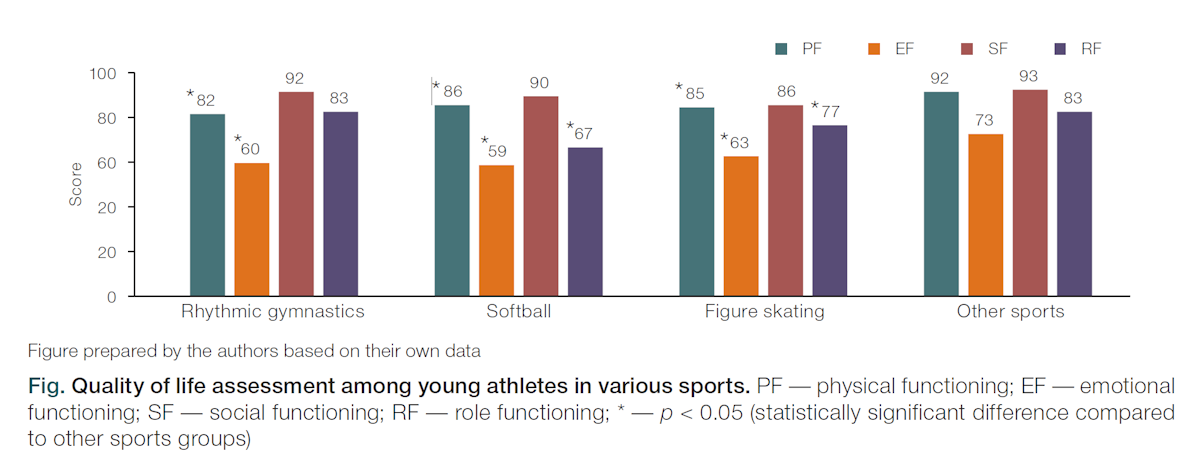
Results. In athletes practicing rhythmic gymnastics (p = 0.001), figure skating (p = 0.008), and softball (p = 0.014), lower values of physical functioning were observed compared to representatives of other sports. In figure skaters, lower values of emotional (p = 0.005) and role functioning (p = 0.001) were recorded compared to athletes in other sports. In softball players, lower values of emotional (p = 0.005) and role functioning (p = 0.001) were recorded compared to athletes in other sports. In figure skaters, the highest levels of trait and state anxiety were noted (p < 0.05).
Conclusions. Low scores of physical and emotional functioning were identified in athletes practicing figure skating, rhythmic gymnastics, and softball compared to representatives of other sports, as well as high levels of trait and state anxiety in female figure skaters, which allows them to be identified as a risk group during screening for quality of life impairments and anxiety levels. Further studies are needed to clarify the cutoff points of the questionnaires in the context of diagnosing quality of life and assessing trait and state anxiety in adolescent athletes, which will contribute to early detection of these impairments, improvement of quality-of-life, and reduction of anxiety levels within the framework of medical and biological support for high-performance sports.
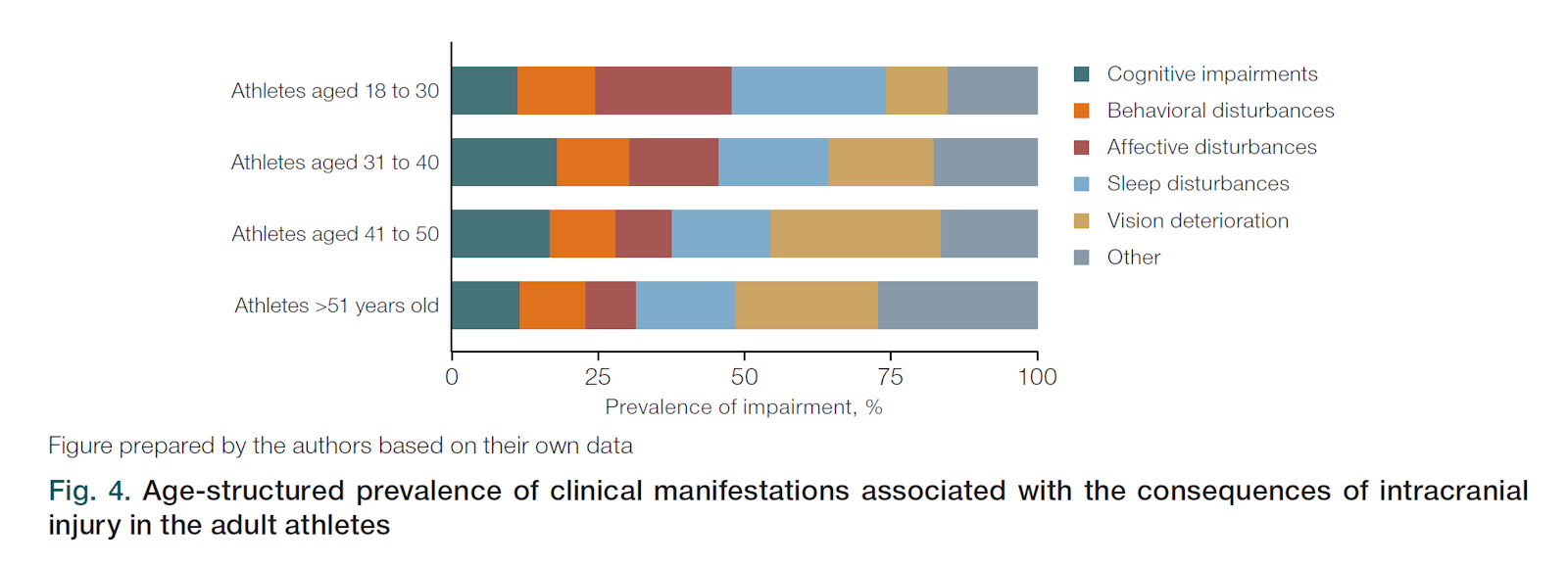
Introduction. Traumatic brain injury (TBI) is a pressing issue in high-performance sports. Although most sports-related TBIs are classified as mild, their frequent occurrence and resulting cumulative effect can negatively impact an athlete’s health. Furthermore, this impact may not become apparent until several years after the injury, and sometimes only after the athlete has retired from the sport.
Objective. To identify the most frequent clinical manifestations associated with the long-term effects of traumatic brain injury in active and retired athletes from various sports.
Materials and methods. In order to assess the prevalence of symptoms associated with various TBI consequences, a total of 902 active and former athletes from Russian national teams were surveyed anonymously using a secure online platform, LimeSurvey, with a proprietary domain. The participants included 662 (73.4%) adult and 240 (26.6%) minor athletes. The study methodology was based on a questionnaire and did not include objective instrumental examinations. The questionnaire presented to the athletes contained questions clarifying anamnestic data and the presence of symptoms that could serve as clinical manifestations of the long-term effects of intracranial injuries. The entire sample of athletes was divided into groups according to age at the time of the survey (adults and minors). The group of adult athletes was also subdivided based on the number of TBIs in their history, the presence of contact/impacts during training (contact and non-contact sports), and age (18–30 years; 31–40 years; 41–50 years; ≥ 51 years). Statistical data analysis was performed using IBM SPSS Statistics 23.0 software.
Results. The prevalence of concussion among the adult athletes was statistically significantly higher than among the minors (15.3% vs. 2.5%, p < 0.001). The most common issues reported by the adult athletes with a history of concussion were sleep (36.6%) and visual disturbances (23.8%), as well as cognitive (25.7%), behavioral (22.8%), and affective (27.7%) disturbances. The aforementioned abnormalities were statistically significantly more frequent in the athletes participating in contact sports (p < 0.05). The athletes aged 18–30 years most commonly noted affective disturbances and changes in sleep, while visual disturbances were more prevalent in older age groups.
Conclusions. The most common clinical manifestations of TBI consequences in athletes consist of a complex of affective, cognitive, and behavioral disturbances, as well as impaired sleep and vision. Most consequences of intracranial injuries present with non-specific symptoms. Therefore, a crucial approach to optimizing the biomedical support system for athletes with a history of TBI consists in continuous monitoring of their health status post-injury. This involves developing screening protocols, followed by the formation of risk groups and early identification of impairments, which will help prevent or slow their progression.
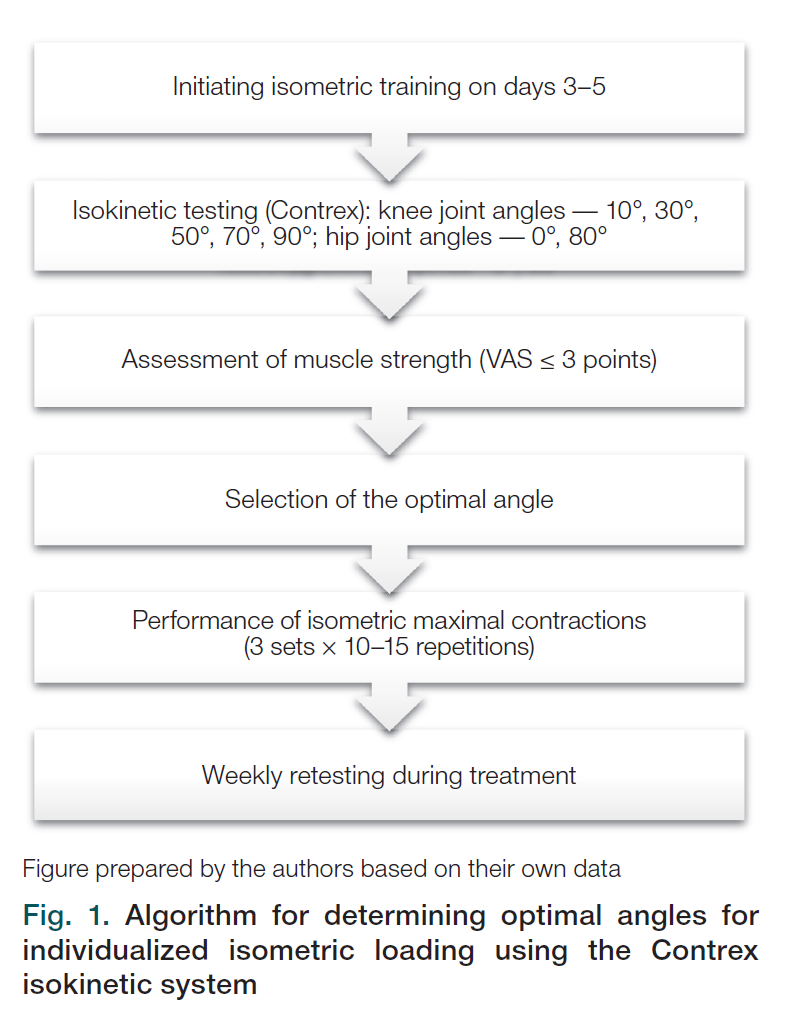
Introduction. Hamstring muscle injuries are among the most common injuries in running sports. Despite the large number of existing rehabilitation approaches, there is still no universally accepted protocol that ensures optimal timing and safety for athletes’ return to maximal loads.
Objective. To assess the effectiveness of an algorithmized isometric exercise protocol in the rehabilitation of highly trained athletes with hamstring injuries.
Materials and methods. The study included 30 professional athletes aged 18–29 years (17 males and 13 females; mean age: 22.9 ± 3.2 years) with an acute injury of the posterior thigh muscles (biceps femoris, semitendinosus, or semimembranosus) classified as grade 2a or 2b according to the British Athletics Muscle Injury Classification (BAMIC). Participants were randomized into two groups of 15 individuals each. Group 1 (control) received the standard basic rehabilitation protocol. Group 2 (intervention) received the basic protocol combined with the authors’ algorithm of individualized isometric loads. The optimal angles of the hip and knee joints for maximal isometric contraction were determined, provided that the pain level did not exceed 3 points on the visual analogue scale (VAS). The assessments were performed using a robotic isokinetic system (Contrex). Outcomes were evaluated at weeks 3, 4, and 5 post-injury. Statistical analysis was conducted using IBM SPSS Statistics 27.
Results. The time to return to sport activity in the intervention group was 27.87 ± 4.78 days, which was statistically significantly shorter than in the control group (32.53 ± 5.22 days; t = –2.553, p = 0.016). The mean difference was 4.67 days (95% CI: –8.41 to –0.92), and the effect size was large (Cohen’s d = 0.93). The ratio of the peak torque of the injured leg to that of the uninjured leg showed statistically significant between-group differences at all follow-up time points, favoring the intervention group. At week 3 post-injury, the values were 74.40 ± 5.32% vs. 67.53 ± 6.29% (t = 3.230, p = 0.003); the mean difference was 6.87% (95% CI: 2.51–11.22); the effect size was large (Cohen’s d = 1.18). At week 4, the values were 82.47 ± 4.73% vs. 76.87 ± 5.41% (t = 3.017, p = 0.005); the mean difference was 5.60% (95% CI: 1.80–9.40); the effect size was large (Cohen’s d = 1.10). At week 5 of follow-up, the ratio of the peak torque of the injured to the uninjured leg was 87.93 ± 3.56% vs. 82.60 ± 3.52% (t = 4.128, p < 0.001); the mean difference was 5.33% (95% CI: 2.69–7.98); the effect size was large (Cohen’s d = 1.51).
Conclusions. The developed criterion-based protocol, supplemented with algorithmized individualized isometric training, enabled a statistically significant acceleration of recovery of symmetry in lower limb strength and reduced the time to return to sport for highly trained athletes, while maintaining a high level of safety. The obtained results substantiate the feasibility of implementing this approach in sports rehabilitation practice.
ARCTIC MEDICINE
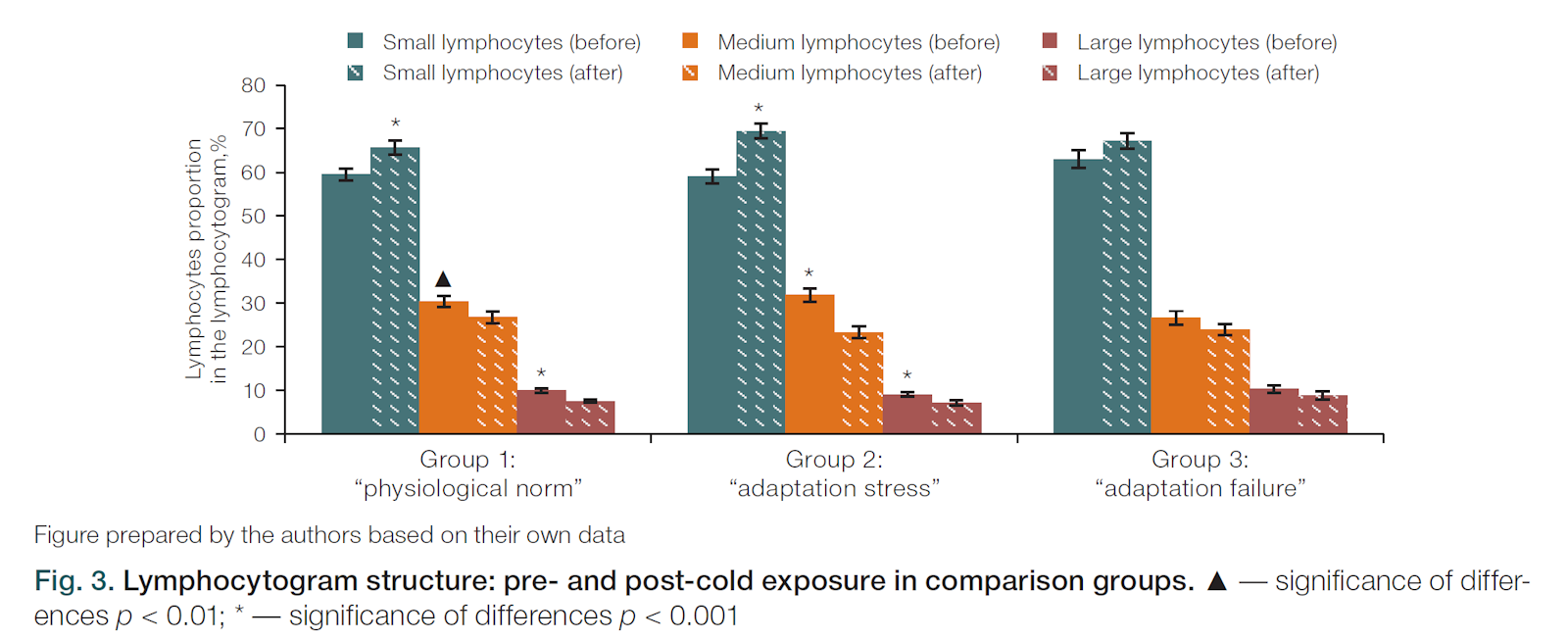
Introduction. The complex of unfavorable natural and climatic factors in the North, creating a stressful living environment, induces a pronounced tension in the immune responses that maintain homeostasis. Determining the type of adaptation reaction and the level of reactivity makes it possible to diagnose the functional state of the body and predict its response patterns to environmental factors.
Objective. Determination of systemic inflammation biomarker levels, calculated based on complete blood count data, for assessing the stress and failure of the adaptation process.
Materials and methods. The study examined 178 practically healthy volunteers (136 women and 42 men; mean age 31.17 ± 0.85 years). The assessment of the body’s adaptation state was carried out by analyzing leukograms. The types of non-specific adaptation reactions, levels of body reactivity, and adaptation state were determined according to Garkavi’s method. According to this method, all subjects were divided into the following groups: “physiological norm” (group 1) — 68 women and 23 men, mean age 31.59 ± 1.29 years; “adaptation stress” (group 2) — 50 women and 10 men, mean age 31.21 ± 1.15 years; “adaptation failure” (group 3) — 18 women and 9 men, mean age 28.17 ± 2.51 years. General short-term cold exposure was modeled once in a climatic chamber (USHZ-25N, Russia), in which the subjects, dressed in cotton clothing, remained under continuous video observation for 5 min at an ambient air temperature of –25 °C. Hematological studies were performed using an XS-500i analyzer. The content of catecholamines, cortisol, PPARγC1α, HIF‑1α, SIRT3, and BPI was determined by ELISA. Lymphocyte apoptosis and necrosis were assessed by double staining with Annexin V and propidium iodide (AnV/PI). The quantitative content of ATP was determined using the luciferin‑luciferase method. The following systemic inflammation indices were calculated: systemic immuneinflammation index (SII), systemic inflammation response index (SIRI), and aggregate index of systemic inflammation (AISI). The results were processed using StatTech v.4.9.2 and Statistica 6.0 software.
Results. In the “physiological norm” group, an increase in leukocyte counts, enhanced cell migration activity, and improved mitochondrial energy supply for their functional activity indicated high non-specific resistance and the absence of a stress effect from this type of cold exposure. Under “adaptation stress”, the fastest cardiovascular responses aimed at maintaining temperature homeostasis were recorded, accompanied by increased catecholamine levels, enhanced leukocyte recirculation and migration, allowing the body to respond rapidly to short‑term stress factors. In the “adaptation failure” group, the baseline tension in the activity of regulatory systems, even after a single short‑term cold exposure, did not lead to the activation of effective thermoregulation mechanisms; leukocyte migration activity was slowed, significantly increasing the risk of maladaptive and pro‑inflammatory reactions. It was established that SIRI, SII, and AISI are significant risk criteria for adaptation strain at SIRI ≥ 0.97, SII ≥ 447.43, AISI ≥ 216.24, and for adaptation failure at index values of ≥1.23, ≥449.76, and ≥239.58, respectively.
Conclusions. “Adaptation stress” and “adaptation failure” are characterized by changes in cellular and humoral parameters of peripheral blood even before the clinical manifestation of the disease, and these changes may be exacerbated by additional exposure to negative factors, even if their impact is short‑term. Baseline systemic inflammation indices (SIRI, SII, AISI) are significant predictors for assessing both “adaptation stress” and “adaptation failure”. The use of these indices, calculated from complete blood count results, will make it possible to assess the presence of an initial imbalance in the body’s adaptation mechanisms, which may subsequently be aggravated by exposure to stress factors.
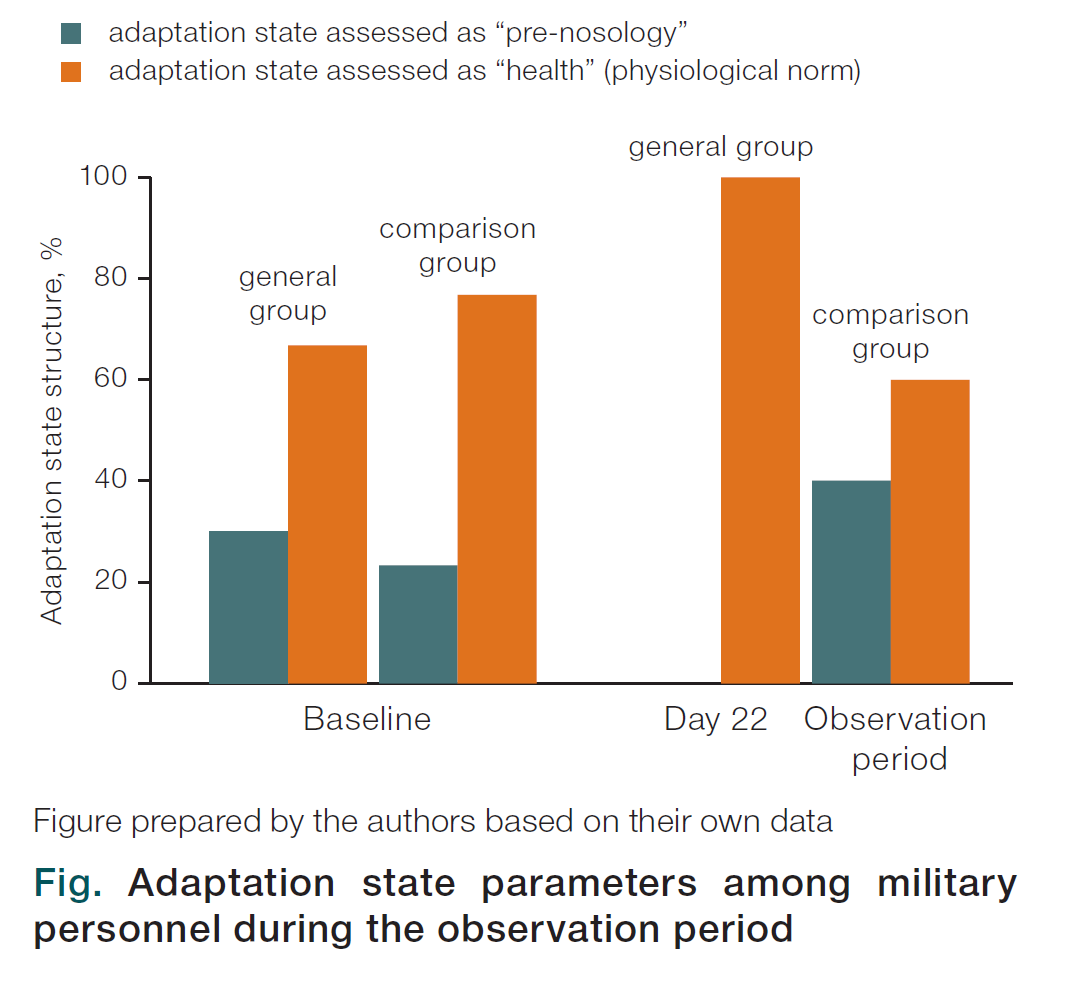
Introduction. Prolonged stay in the Far North imposes significant stress on the body’s adaptive mechanisms responsible for maintaining homeostasis. In this context, the nutrition of military personnel based on a scientifically ground system that ensures optimal intake of essential nutrients, including micronutrients, plays an important role in the acclimatization process. Proper dietary provision preserves and strengthen the health of military personnel, preventing the development of chronic adaptive stress.
Objective. Assessment of the adaptation state of military personnel in the Arctic following inclusion of a natural product rich in dietary and biologically active substances in their diet.
Materials and methods. The study was conducted in June–July 2022 in the Arctic, involving healthy and practically healthy male military personnel (n = 60; mean age 37.3 ± 3.1 years). The median duration of professional activity was 7.0 [5; 9] years. The subjects were divided into the following groups. The main group (n = 30) received 10.0 g of a plant protein product (PPP) incorporated into the main dinner meal for 21 days, whereas the comparison group (n = 30) was provided with a standard ration. The formulation of the PPP was developed considering the living conditions. The PPP included: chokeberry (aronia), flax seeds, carrots, broccoli, seaweed, and chicken eggshell. The amount of macro- and microelements, dietary fiber, and minor biologically active substances included in the PPP was calculated. The assessment of the body’s adaptation state was performed by analyzing leukograms. A complete blood count was performed using an automated hematology system (Abbott, USA). The types of non-specific adaptive reactions of the body, levels of reactivity, and adaptation status in the main group prior to and following administration of the PPP, as well as in the comparison group at baseline and on day 22 of the experiment, were determined using L. Garkavi’s method. Statistical processing of the initial data was performed using the IBM SPSS Statistica 6.1 software package.
Results. In individuals of the main group, a decrease in leukocyte counts from 6.52 ± 0.61 to (6.3 ± 0.47) × 109/L was detected, along with an increase in the number of eosinophils, monocytes, lymphocytes, and the percentage of band neutrophils. At baseline, in 2 (6.7%) participants from the main group, the type of adaptive reaction was classified as “enhanced activation,” while in 14 (46.7%) individuals it was defined as “training” and “calm activation.” By the end of the 22-day observation period, 28 (93.3%) subjects from the main group demonstrated the body’s adaptive reactions classified as “enhanced activation,” except for 2 (6.7%) individuals whose adaptive reaction type was assessed as “calm activation.” Prior to PPP intake, the level of body reactivity was assessed as high and medium in the majority of subjects. After 22 days, only one person in the main group had a medium level of reactivity, while all others were assessed as having a high level with the “enhanced activation” type of adaptive response. In individuals with the “calm activation” type, the level of reactivity was statistically significantly high in all cases. Following the PPP course in the main group, adaptation was assessed as being within a physiological norm in all servicemen. The comparison group, conversely, showed an increase in the proportion of individuals in a pre-nosological state.
Conclusions. It was established that in the absence of extreme cold exposure (as the study was conducted in the Arctic during the summer period), the non-specific adaptive mechanisms of the body in individuals of the main group and the comparison group were predominantly assessed as “training” (46.7–56.7%) and “calm activation” (36.7–43.3%), corresponding to high and medium levels of body reactivity. Nutritional optimization with the inclusion of PPP in the subjects of the main group contributed to stimulating metabolic processes in the body, a positive shift in lymphopoiesis (manifested in an increase in the proportion of individuals with the “enhanced activation” type of non-specific adaptive reaction to 93.3% in the main group), and the restoration of the adaptation state to the physiological norm.
EMERGENCY RESPONSE ORGANIZATION
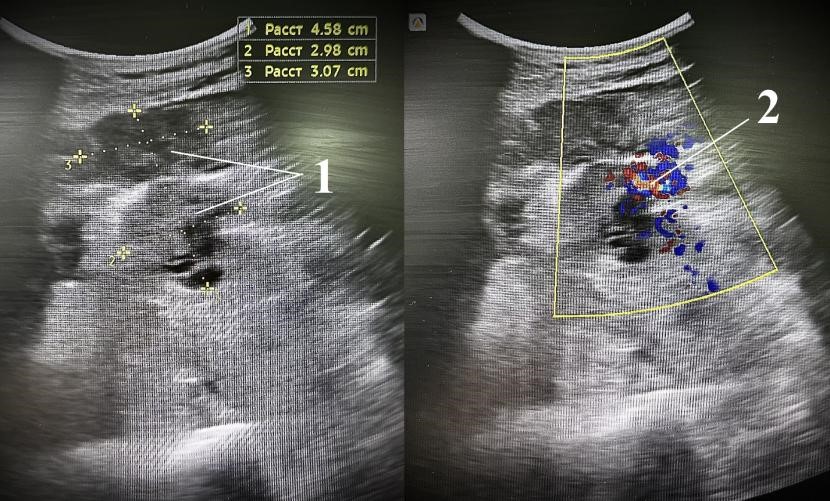
Introduction. In some cases, fragment wounds are accompanied by damage to major arteries. The choice of a treatment strategy at the stage of military-field hospital сare determines the life prognosis of the serviceman.
Case description. A case of successful surgical treatment of a serviceman in a military field hospital is presented. The case involved a blind fragment wound to the thigh with avulsion of a branch of the deep femoral artery, which manifested 24 h after the initial surgical debridement of the wound and removal of a metallic shell fragment. An open surgery with ligation of the branch of the deep femoral artery with removal of the pulsatile hematoma was performed. The postoperative period proceeded without complications.
Conclusions. Convincing data on the necessity of conducting ultrasound examination of blood vessels in cases of fragment wounds in all instances, even in the absence of signs of hemorrhage, were obtained. In the case of a ruptured branch of the deep femoral artery, its ligation under the conditions of a military field hospital is an effective and safe method of surgical correction.
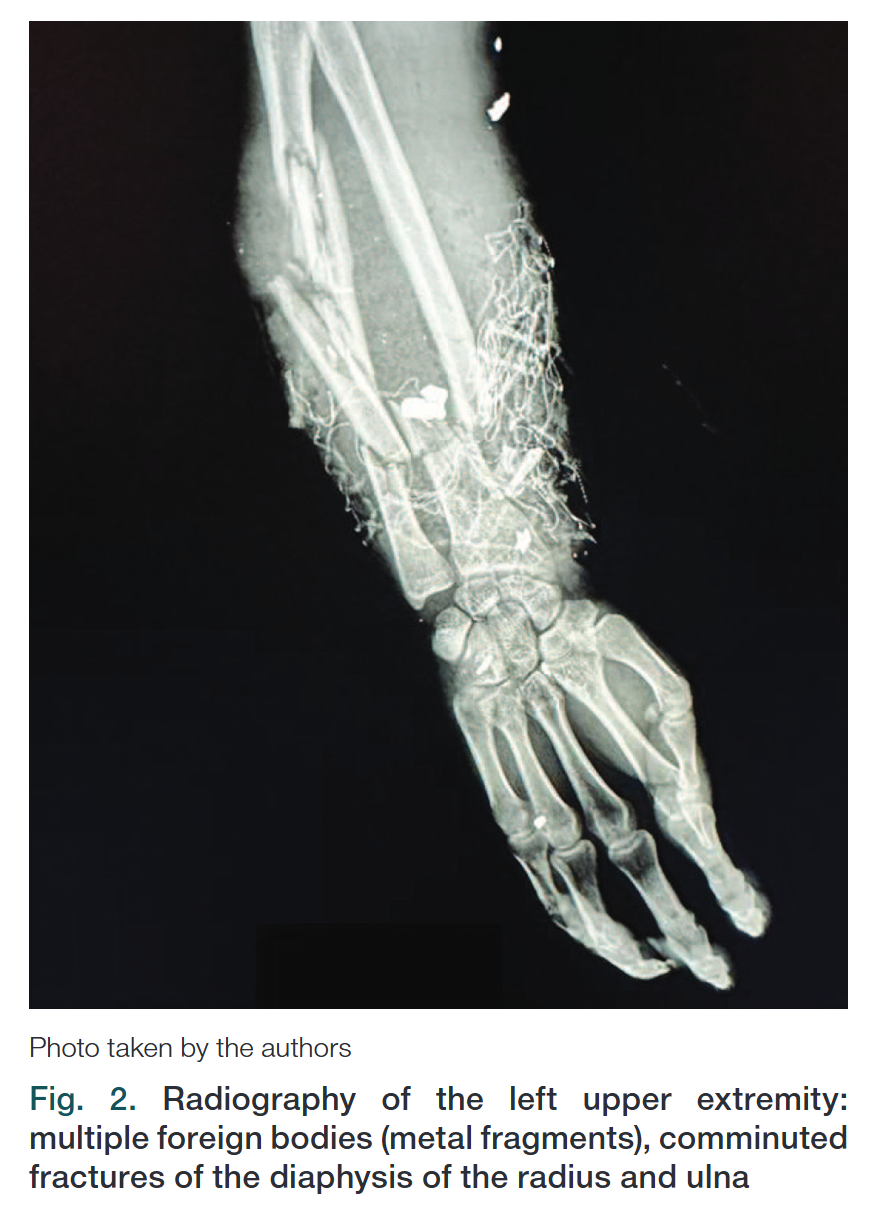
Introduction. Modern combat trauma, especially mine‑blast extremity injuries, often results in severe combined injuries with near-complete avulsions, critical ischemia, and extensive tissue defects. The relevance of limb salvage is determined by medical and socio‑psychological aspects. However, the implementation of complex reconstructive techniques in a field military hospital setting is associated with extreme factors and requires adaptation of the “damage control” principles (Damage Control Surgery).
Objective. To analyze a comprehensive surgical approach to limb salvage in cases of near-complete traumatic hand amputation complicated by vascular insufficiency, using a clinical case example in a level 2 field military hospital.
Case description. A clinical case of a mine-explosive injury to the left upper extremity in a 38-year-old serviceman is presented. The injury involved near-complete avulsion of the hand, comminuted fractures of the forearm bones, an extensive soft tissue defect, and critical ischemia. Treatment involved a multidisciplinary consultation and the execution of the following in a single surgical series: 1) extensive primary surgical debridement of the wound, 2) external fixation of the radius using a military external fixation kit, 3) microsurgical autovenous grafting of the radial artery with a reversed graft from the great saphenous vein of the leg. Intraoperative monitoring was performed using pulse oximetry and ultrasound angioscanning. As a result of the operation, main arterial blood flow to the hand was restored (pulsation in the radial artery, SpO2 90% on the finger, blood flow velocity in the superficial palmar arch 100 cm/s according to ultrasound angioscanning). The condition of the limb improved postoperatively: the hand became warm and pink. After 4 hours, the patient was evacuated for further staged treatment. Successful early revascularization was made possible by the sequential combination of Damage Control Surgery principles (radical primary surgical debridement and minimally invasive fracture stabilization) and complex microsurgical reconstruction. Key success factors included the short ischemia time, a carefully considered decision by the consultation, and the selection of a distant (lower leg) donor site for vein graft harvesting to reduce the risk of infection and preserve venous outflow in the injured limb. This case demonstrates the possibility of bringing elements of specialized surgical care to more forward stages of medical evacuation in modern armed conflicts.
Conclusions. This experience demonstrates that limb salvage in severe combat injuries with a vascular component is possible at the stage of qualified surgical care (Level 2 hospital), provided there is a multidisciplinary approach, readiness to perform microsurgical interventions, and strict adherence to the principles of staged treatment. The success of initial revascularization is critically important, but represents only the first step in a long process of subsequent reconstructive and rehabilitative measures aimed at restoring function.
Introduction. The development of a system for organizing health protection for workers at remote industrial sites (including high-altitude ones) is a relevant priority for both the Russian Federation and the Kyrgyz Republic. Due to the absence of unified standards in the remote health-care system, a priority is the analysis of principles and approaches in organizing an adequate and effective model of medical care delivery for personnel in these industrial production sectors.
Objective. Analysis and synthesis of data on the organization of medical care at remote industrial sites (RIS) in extreme high-altitude conditions.
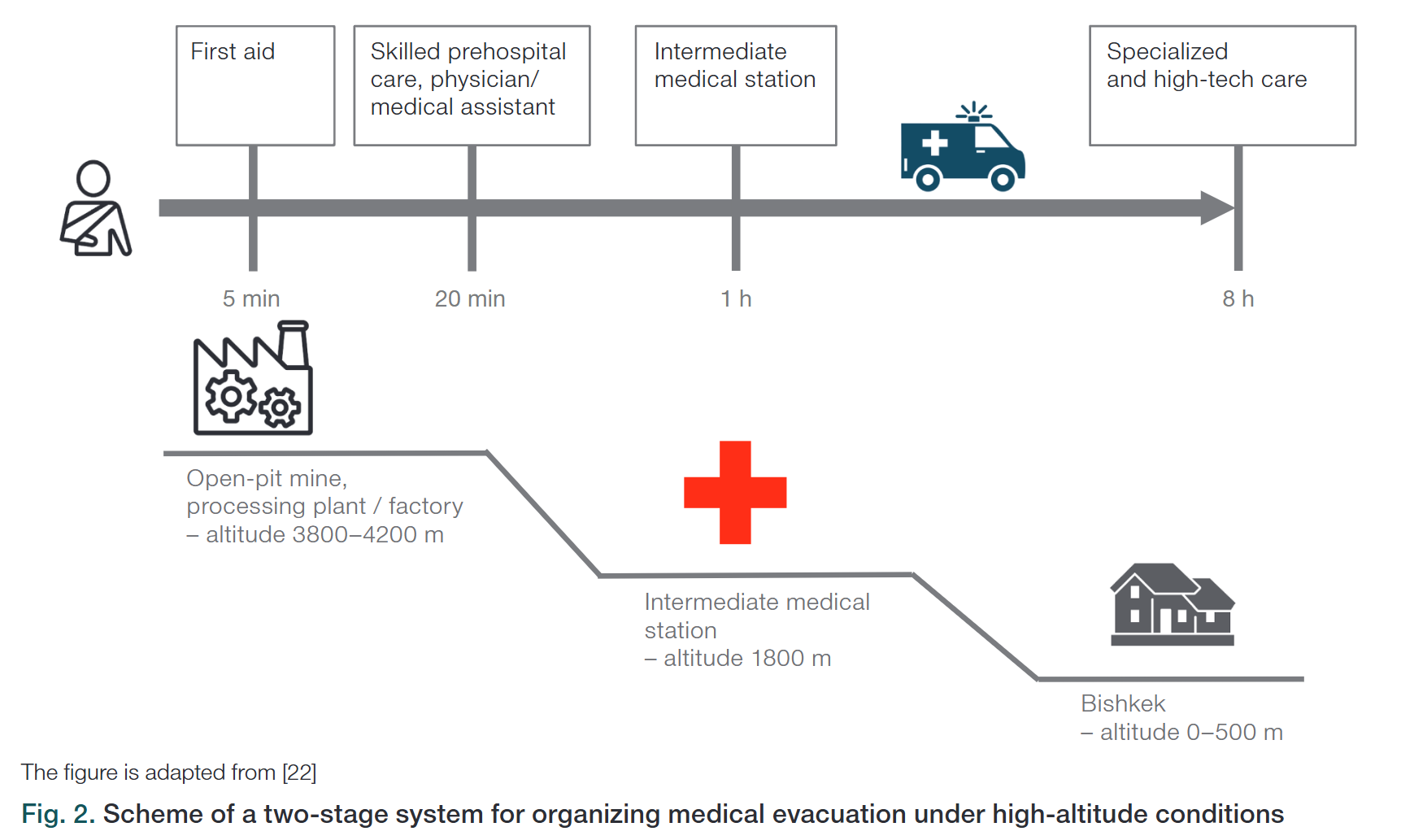
Discussion. Labor activity at RIS in high-altitude conditions involves the impact on workers’ health of extreme climatic and geographic factors, adverse socio-psychological factors, as well as harmful and dangerous factors of the industrial environment, which necessitates the implementation of a specialized medical support system for workers. Medical care for RIS workers may be provided by the company’s own medical service or by hired medical service providers (outsourcing). In the Kyrgyz Republic, all mining enterprises have their own medical services. The medical service at a high-altitude RIS consists of two units: the main medical station of the RIS (paramedic or physician-staffed) and a medical station at the central checkpoint. A distinctive feature of the medical station’s work in high-altitude conditions is the high number of patient visits for acute mountain sickness (AMS). For example, among shift workers at a mining enterprise in the Kyrgyz Republic at an altitude of 3800 m, the AMS incidence was 25%. The main approaches to AMS preventing in the general worker population are altitude acclimatization, pharmacological support, rehydration, prevention of electrolyte imbalances, protection against light-induced eye and skin damage, and prevention of cold injury. For further medical care provision to workers with AMS, a two-stage evacuation system is used when the RIS is located at an altitude above 3500 m and at a significant distance from populated areas, which involves establishing an intermediate medical station at an altitude of 1700–1800 m above sea level.
Conclusions. Medical support for shift workers in extreme high-altitude conditions is part of a developing field — remote healthcare. The issues of organizing medical care at remote industrial sites in mountainous areas are relevant due to the intensive development of the mining industry in the Kyrgyz Republic. The need is shown for special training of medical personnel in remote healthcare, improvement of the regulatory framework governing the procedures and algorithms for providing medical care to RIS workers, in order to enable the construction of a new model of medical support that complies with unified standards of medical care, including through the introduction of telemedicine and mobile components.
Announcements
2026-09-30
Обновлен статус журнала в «Белом списке»
Уважаемые коллеги, авторы и читатели!
Карточка издания под новым названием «Экстремальная биомедицина» успешно актуализирована на портале РЦНИ с сохранением Уровня 1 (У1). Синхронизация данных продолжается, редакция ожидает внесения изменений в Перечень ВАК в ближайшее время. Прием статей ведется штатно.
| More Announcements... |

ISSN 3033-8972 (Online)