MAIN TOPIC: MEDICAL AND BIOLOGICAL ISSUES IN RADIATION SAFETY
The paper presents the results of a 40-year follow-up of the health status of people exposed due to radiation accident at Chernobyl Nuclear Power Plant (NPP). The issues of radiation hygienic and medical monitoring implementation following Chernobyl NPP disaster in the Russian Federation are considered. Findings of the assessment of deterministic effects, including the lethal ones, in Chernobyl NPP personnel who were affected by high-dose acute external exposure in the first days after the accident are discussed together with the treatment modalities of acute radiation syndrome and its outcomes. Another subject of radiobiological and epidemiological study is long-term cancer and non-cancer effects in nuclear disaster clean-up workers who took part in emergency and recovery operations in 1986-1990 and in residents of the radioactively contaminated territories who were affected by long-term combined (external and internal) radiation exposure at a wide dose range. Health effects for the exposed population offspring, including in utero exposed individuals, are considered separately.
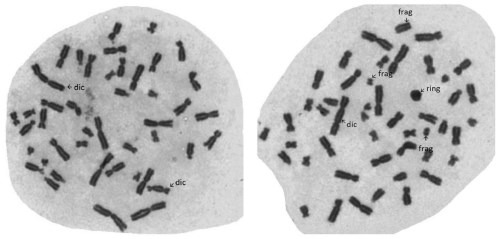
Introduction. In the event of mass radiation incidents, medical triage of exposed individuals must enable rapid identification of individuals at risk of developing the hematopoietic form of acute radiation sickness (ARS).
Objective. Development of effective cytogenetic criteria for identifying individuals at increased risk of developing the hematopoietic form of ARS during mass radiation incidents.
Materials and methods. The study involved 12 donors aged 23–73 years. The study object was phytohemagglutinin-stimulated T-lymphocytes from peripheral blood. Blood samples were exposed to in vitro gamma-irradiation at doses of 1 Gy and 2 Gy using an IGUR-1M unit. Cytogenetic preparations were obtained according to a standardized cytogenetic protocol and stained with a 2% Giemsa solution. Images were digitized and analyzed using the Metafer/Ikaros (Metasystems, Germany) software package. The frequency of chromosomal aberrations per cell was assessed. Metaphases of T-lymphocytes with dicentric chromosomes were counted in the order of their occurrence during slide analysis. For statistical analysis, Past 4.01 and SPSS Statistics 21 software packages were used.
Results. The decision regarding the classification of a potentially irradiated sample as one falling into the dose range likely to cause ARS development should be based on an analysis of the number of T-lymphocyte metaphases required to identify five dicentric chromosomes. In the study, dicentric chromosomes were detected in samples without irradiation in 33% of the examined individuals. After in vitro irradiation of blood samples at a dose of 1 Gy, the average frequency of dicentric chromosomes was 0.073 ± 0.008 per cell, reaching 0.28 ± 0.02 per cell at a dose of 2 Gy.
Conclusions. A preliminary algorithm for differentiating in vitro irradiated cytogenetic samples into dose ranges has been developed. The identification of the fifth dicentric chromosome in order of analysis within the first 26 T-lymphocyte metaphases served as the basis for assigning the sample to a dose range of 2 Gy and above. In cases where the fifth dicentric chromosome was identified between the 27th and 85th metaphase, the sample was assigned to a dose range of 1 Gy and above. In cases where fewer than five dicentric chromosomes were detected upon analysis of 85 metaphases, the sample was assigned to a dose range below 1 Gy. Future research will be aimed at refining the algorithm and validating the results.
Introduction. Epidemiological studies suggest that ionizing radiation increases the risk of developing neurodegenerative diseases long after exposure; however, there is a notable lack of longitudinal studies and experimental research into establishing causal relationships between radiation dose and potential neurodegenerative effects.
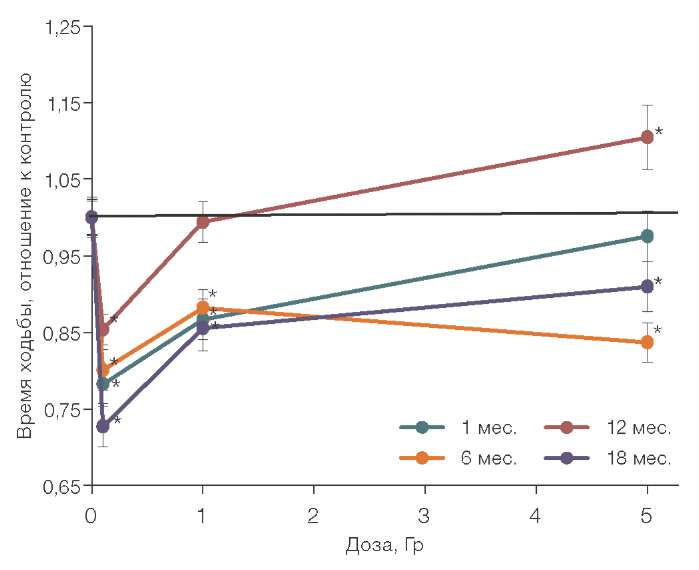
Objective. The work investigates early and long-term alterations in sensorimotor parameters characterizing coordination in laboratory animals subjected to a range of doses of fractionated gamma irradiation at a young age.
Materials and methods. Experiments were carried out on mice of both sexes (n = 400) of the C57Bl/6 strain. Five observation groups were formed: two control groups and three groups with different radiation exposure levels, each made up of 80 individuals (40 males and 40 females). The animals underwent total external gamma irradiation during their first month of life at cumulative doses of 0.1 Gy, 1 Gy, and 5 Gy, with each dose divided into 20 fractions. The control groups of non-irradiated mice included: a group of intact animals serving as biological control (n = 80) and a sham-irradiation placebo group (n = 80). Evaluation of motor function is an effective tool for assessing symptoms of neurodegenerative diseases in animals. Coordination in irradiated and control animals was assessed using the tapered beam walking test at the ages of 1, 6, 12, and 18 months. Data were analyzed using Microsoft Excel and the R programming language.
Results. Sex and age were shown to influence sensorimotor parameters characterizing motor coordination (better in females, worsens with age in animals of both sexes), while no significant effect of the stress factor associated with animal irradiation was found on the studied parameters. A comparison of sex- and age-standardized sensorimotor parameters between irradiated animals and non-irradiated control mice revealed dose-dependent alterations. A deteriorated in motor coordination in the long term in mice exposed to gamma irradiation at a cumulative dose of 5 Gy manifested itself by a more than 1.5-fold increase in the number of errors compared to non-irradiated animals (t = 6.7; p << 0.001). Conversely, irradiation at a cumulative dose of 0.1 Gy produced an opposite effect: both in the early and long-term periods, the speed of mouse movement along the tapered beam increased relative to the non-irradiated control (walking time decreased by an average of 20% (p < 0.001) at any age), while in the early period, the number of errors also decreased (t = 2.36; p = 0.02), indicating an improvement in coordination ability.
Conclusions. Fractionated gamma irradiation at a young age induced dose-dependent alterations in sensorimotor function in animals: irradiation at a cumulative dose of 0.1 Gy resulted in improved coordination both in the early and long-term periods post-exposure; whereas irradiation at a cumulative dose of 5 Gy led to signs of impaired motor coordination in the long term, at 18 months of age.
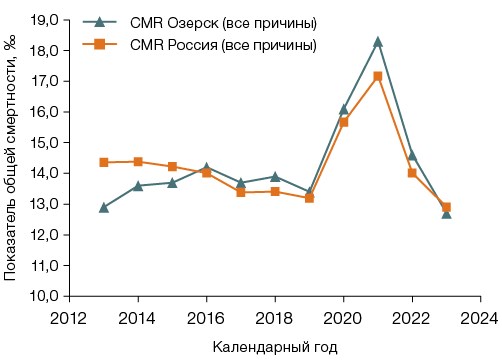
Introduction. The pandemic spread of COVID-19, observed in 2020–2021, had an impact on overall mortality among the population. Of particular interest to researchers is the study of trends in overall mortality rates among nuclear industry workers exposed to occupational radiation, as well as among the population living near nuclear facilities.
Objective. Analysis of the overall mortality dynamics among the population of Ozersk — a nuclear industry city — during the COVID-19 pandemic, depending on the combined effect of radiation and non-radiation risk factors.
Materials and methods. A retrospective cohort study was conducted among residents of the Ozersk Urban District (OUD) who died from various causes during the period 2020–2023. Annual reports from Rosstat and the municipal statistics department were analyzed. Data on COVID-19 incidence were provided by the Center for Hygiene and Epidemiology No. 71 in Ozersk. The assessment of survival function depending on the presence of COVID-19, as well as the influence of age and occupational external radiation dose among PA «Mayak» workers, was performed using the Kaplan–Meier method. The analysis of the impact of COVID-19 incidence, adjusted for occupational radiation dose, on the all-cause mortality rate across different age groups was carried out using the Cox proportional hazards model.
Results. Based on the analysis of overall mortality trends for the period 2013–2023, a period associated with the peak of pandemic activity was identified. The impact of COVID-19 on all-cause mortality during the pandemic period was revealed, depending on attained age and occupational radiation dose (p < 0.05). The effect of COVID-19 incidence on overall mortality was modified by several risk factors, among which attained age (p < 0.001) and accumulated external radiation dose (p = 0.03) exerted a significant influence.
Conclusions. COVID-19 incidence during the pandemic period had both direct and indirect effects on overall mortality among the population of Ozersk. Alongside the direct impact of COVID-19, age, and external radiation dose among PA «Mayak» workers, the combination of these factors is also important when assessing the dynamics of overall mortality during the pandemic. The obtained results are of interest for predicting the consequences of potential future pandemic situations and for developing effective strategies to protect the health of populations in nuclear industry cities.
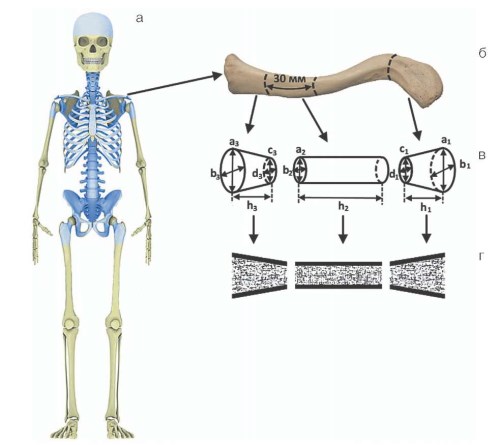
Introduction. Computational phantoms are widely used for assessing radiation doses to the red bone marrow (RBM) from bone-seeking radionuclides. Among them, strontium isotopes are the most common. The development of phantoms for 89,90Sr requires accurate description of bone shape, size, and microarchitecture. To date, phantoms for newborns, one-year-old, five-year-old, and 10-year-old children, as well as for adult males and females, have been proposed. This study is a continuation of our work on creating digital skeletal models for humans of different sexes and ages.
Objective. Development of computational phantoms for the skeleton for 15-year-old adolescents with the purpose of assessing doses in RBM from incorporated beta-emitting radionuclides.
Materials and methods. The phantoms were developed using the stochastic parametric skeletal dosimetry (SPSD) approach. Skeletal regions with active hematopoiesis were identified and segmented. The parameters of the segment models were estimated based on literature data, including bone microstructural characteristics, cortical bone layer thickness, bone and segment dimensions, the fractional content of RBM, and the chemical composition and density of the modeled media. The variability ranges of these parameters were also assessed.
Results. The developed phantoms for 15-year-old male and female adolescents comprise 46 segments each; parameters for 14 of these segments differed between males and females. The phantom dimensions ranged 3.5–66 mm; the cortical bone thickness varied 0.3–2.3 mm.
Conclusions. The phantoms developed in this work reflect the dimensions and structure of skeletal regions with active hematopoiesis in 15-year-old adolescents, account for sexual dimorphism, and simulate the variability of skeletal characteristics.
SPORTS MEDICINE
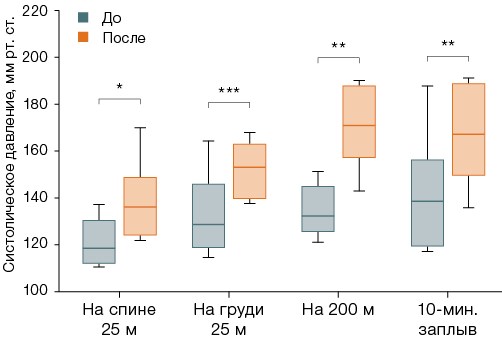
Introduction. As a kind of sport, winter swimming differs from pool- or open-water swimming due to the extreme cold stress it places on the body. Swims in cold water with facial immersion trigger a diving reflex, which may be accompanied by the development of cardiac arrhythmias under low-temperature conditions. We believe that specific criteria should be developed for permitting individuals to engage in cold-water swimming.
Objective. Study of the characteristics of changes in the state of the cardiovascular and nervous systems, autonomic regulation, and metabolic parameters in winter swimmers at water temperatures from +0.5 °C to +2.0 °C both over various standard distances and during a 10-min swim of 450–550 m.
Materials and methods. Under competitive conditions and during training camps (at water temperatures from +0.5 °C to +1.5 °C and air temperatures from –15 °C to –18 °C), 24 winter swimmers were examined. These were 9 women aged 23–55 (mean age 39.1 ± 2.7 years); 3 men aged 71 ± 3 years; and 12 men aged 35–60 (mean age 43 ± 1.8 years), all of whom had received medical clearance for participation. The participants’ condition was analyzed before and after swims at distances of 25 m backstroke, 25 m and 200 m front crawl (freestyle), as well as after a 10-min swim of 400–450 m. The functional state of the body was assessed using 12-lead electrocardiography, blood pressure measurement, determination of capillary blood glucose concentration, and assessment of simple sensorimotor reaction to a light stimulus. Statistical analysis to identify differences between parameters was performed using the GraphPad Prism 8 software package for Windows 10.
Results. A statistically significant increase in the mean capillary blood glucose levels was observed after swims of 25 m (p < 0.05), 200 m (p < 0.01), and 400 m compared to the baseline. An increase in the simple sensorimotor reaction time after 10-min swims was noted; thus, the baseline of 263 ± 10 ms vs. 328 ± 21 ms after the swim (p < 0.01). According to ECG data, at baseline, 67% of the examined individuals showed a widened P wave > 0.11 ms. After short-distance swims of 25 m, P wave duration exceeded the upper limit of normal in 85% of the examined. Compared to backstroke swims, swims with facial immersion in water were accompanied by a significantly more pronounced widening of the P wave (p < 0.05), slowing of atrial conduction PQ (p < 0.01), and a more pronounced increase in the QTc interval (p < 0.05). The QTc value progressively increased in accordance with the duration of the swims. During a 10-min swim, 50% of the examined individuals showed a QTc > 500 ms.
Conclusions. Low water temperature is a factor that, even in cold-adapted athletes, provokes stress accompanied by an increase in blood glucose. During swims in cold water with facial immersion, the activated diving reflex triggers cardiac arrhythmias. During long-distance swims, conduction in the nervous system slows down, manifested in an increased simple sensorimotor reaction time and slowed myocardial conduction, reaching pathological values. In this regard, we believe that an additional criterion for medical clearance — assessment of the response of the cardiovascular system to cold-water immersion — should be developed and implemented for beginners wishing to engage in cold-water swimming, in order to avoid the risk of a pathological cardiovascular reaction.
Introduction. The syndrome of relative energy deficiency (RED-S) in male athletes can lead to the development of functional hypogonadism (FH), characterized by testosterone deficiency and impairments in bone tissue remodeling processes.
Objective. Assessment of the hormonal profile and parameters of bone tissue metabolism in blood serum in adolescent athletes in the setting of FH presence/absence.
Materials and methods. A single-center, cross-sectional study involved 50 adolescent athletes aged 15–18 years (median age 16.5 [15.9; 16.9] years), all members of Russian national teams in three kinds of sport (Greco-Roman wrestling, judo, and football). The participants were divided into two groups based on FH presence (according to the total testosterone level ≤ 12 nmol/L). The FH group included 12 athletes; the comparison group without FH comprised 38 athletes. Serum levels of parathyroid hormone, 25-hydroxyvitamin D, and bone metabolism markers (osteocalcin, C-terminal telopeptide of type I collagen (β-CrossLaps), N-terminal propeptide of type I procollagen), as well as total alkaline phosphatase activity, were determined in all athletes. To assess the hormonal profile, serum levels of luteinizing hormone (LH), follicle-stimulating hormone (FSH), inhibin B, total testosterone, and leptin were investigated. Body composition assessment was performed using bioelectrical impedance analysis. Sexual development was assessed according to the Tanner rating. Statistical data processing was carried out using the Statistica v. 10.0 software package (StatSoft Inc.; USA).
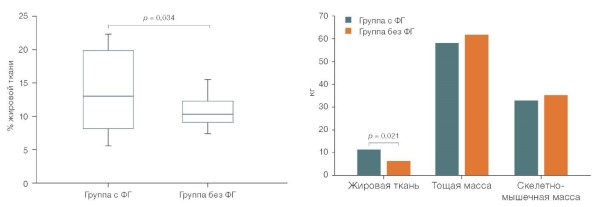
Results. Athletes with FH exhibited a statistically significantly higher percentage of body fat compared to their peers with normal total testosterone levels (13.5 [8.1; 19.9]% and 10.1 [9.0; 12.2]%, respectively, p = 0.034). Conversely, the groups did not differ statistically significantly in terms of lean body mass (58.3 [46.5; 82.0] kg and 61.9 [55.4; 67.0] kg, respectively, p = 0.742). Athletes with androgen deficiency showed a lower level of LH compared to athletes without FH (1.6 [0.9; 2.9] IU/L and 2.7 [1.7; 3.4] IU/L, respectively, p = 0.031), while FSH and inhibin B levels were comparable (3.4 [2.2; 4.2] IU/L and 3.5 [2.1; 5.7] IU/L, respectively, p = 0.547; 176.5 [147.0; 248.6] pg/mL and 194.5 [166.0; 231.6] pg/mL, respectively, p = 0.586). The levels of bone metabolism markers in athletes with FH did not differ statistically significantly from those in the group of athletes with normal testosterone levels.
Conclusions. The FH development in adolescent male high-performance athletes can be accompanied by gonadostat dysfunction and preserved Sertoli cell function. Androgen deficiency in athletes is associated with an increase in body fat percentage, without changes in lean body mass. In young male athletes, FH does not have a negative impact on bone tissue remodeling processes, given the absence of statistically significant changes in bone metabolism parameters.
Introduction. Assessment of hematological parameters in professional athletes requires a special approach. This includes analysis of hematocrit levels, which can be quite high due to their significant oscillations during intense muscular activity and under conditions of relative rest.
Objective. Study of the additional influence of various hematocrit levels on morphological and biochemical blood parameters, determined within the framework of the comprehensive medical examination (CME) of athletes.
Materials and methods. A retrospective study was conducted using data from athletes’ medical records. A total of 26,413 hematological parameters obtained during the CME of athletes from Russian national teams were analyzed. Hematocrit was calculated using an automatic Mindray BC-6200 analyzer as the ratio of red blood cell volume to total blood volume. Nonparametric reference intervals for hematocrit, hemoglobin, red blood cell count, and mean corpuscular volume were constructed according to the CLSI EP28-A3c standard. Associations between hematocrit and blood parameters (lipid and protein profiles, glucose, oxygen transport system, sodium, potassium, magnesium, and platelets) were assessed using Spearman’s rank correlations within extreme sub-samples (≤ p25 and ≥ p75 of hematocrit). Only correlations with Spearman’s coefficient above 0.5 were considered significant. Comparisons of parameter distributions between percentile groups of hematocrit were performed pairwise using the nonparametric Wilcoxon test with an FDR correction.
Results. Irrespective of sex, within the normal hematocrit range (25–75 percentiles), a strong positive correlation is observed with hemoglobin levels (rs = 0.836) and red blood cell count (rs = 0.631). For hematocrit values above the 75th percentile, a strong positive correlation is maintained with hemoglobin concentration (rs = 0.801) and red blood cell count (rs = 0.603). Regarding hematocrit values below the 25th percentile, a near-significant correlation was identified with red blood cell count (rs = 0.437), as well as a strong positive correlation with hemoglobin (rs = 0.839).
Conclusions. Across different percentile ranges of hematocrit, significant differences in numerous blood biochemical parameters were identified. Thus, the higher the hematocrit level, the higher the concentrations of the recorded parameters in the blood serum. This underscores the importance of taking into account, inter alia, the possible influence of the hematocrit level when evaluating hematological parameters in athletes.
REGENERATIVE BIOMEDICINE
Introduction. Injuries, tumor resections, and degenerative diseases can lead to extensive skeletal muscle defects, and consequently, to functional impairment and severe disability. Over the past few decades, various approaches to skeletal muscle tissue engineering have been developed. However, there remains a high demand for new effective methods and materials that promote functional regeneration, which could be used in the clinical treatment of muscle defects.
Objective. Development of a bioengineered polymer hydrogel-based scaffold for extensive skeletal muscle defects.
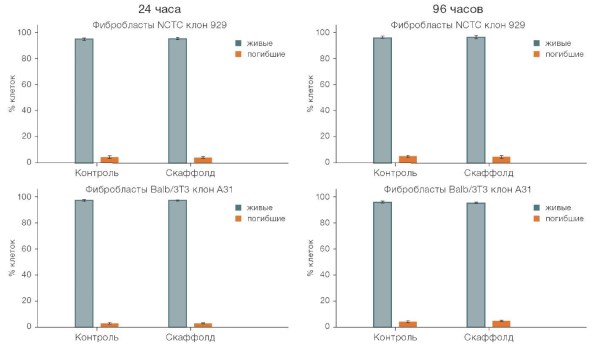
Materials and methods. Bioengineered scaffold samples were obtained by hydrogel cryostructuring followed by lyophilization. The microstructure and morphology of the scaffold were analyzed using a Tescan VEGA III scanning electron microscope. The mechanical properties, tensile strength, and relative elongation were analyzed using an Instron ElectroPuls E3000 testing instrument. The cytotoxicity of the scaffold was studied using fluorescence microscopy on a culture of murine fibroblasts Balb/3T3 clone A31 and NCTC clone 929 culture. The statistical significance of differences was determined using a one-way analysis of variance (ANOVA) followed by the Holm–Šídák multiple comparison test, with the critical significance level α set at 0.05.
Results. A modified scaffold was developed, representing a layered construct based on a combination of natural polymers, collagen, and sodium hyaluronate, with the addition of crosslinking agents to form layers with varying resorption rates and proteolytic degradation profiles. The scaffold samples were found to possess a multilayered porous spongy structure. The сore layer (1.2 ± 0.1 mm thick) exhibited high — uniform and interconnected — porosity with nearly spherical pores ranging from 100–150 µm in size and a polymer framework wall thickness of less than 5 µm. The outer layer (300–500 µm thick) had a denser, lamellar structure with a polymer framework wall thickness of less than 2 µm and slit-shaped pores up to 200 µm in length and 50 µm in width. Compared to the core layer, significantly lower pore interconnectivity was observed, a channel structure was virtually absent, and pores were mostly isolated from one another by polymer walls. Tensile strength was 50 ± 0.5 kPa, and relative elongation was 26 ± 6%. Sterilization had no effect on the strength and elongation parameters. The absence of a cytotoxic effect of the obtained construct was demonstrated: no statistically significant differences in the number of dead cells compared to the control were detected at any of the observation time points (24 and 96 h).
Conclusions. Scaffold samples with a porous structure were obtained using a combination of layer-by-layer casting/molding methods with stepwise freezing and structure control, followed by lyophilization. For the developed construct, an ethylene oxide sterilization protocol was established. The sterilization process was found to have no effect on the strength and elongation parameters. The developed methods for obtaining biocompatible constructs based on polymer hydrogels and their modification techniques will make it possible to obtain devices with a high degree of biocompatibility for enhanced tissue regeneration.
Introduction. Injuries to skeletal muscles at various sites remain a pressing clinical problem, necessitating the development of biocompatible implants that enable full regeneration and functional restoration of muscle tissue.
Objective. Assessment of the safety and efficacy of a knitted nickel–titanium fabric following its implantation into striated muscle tissue in an in vivo model of mechanical loading.
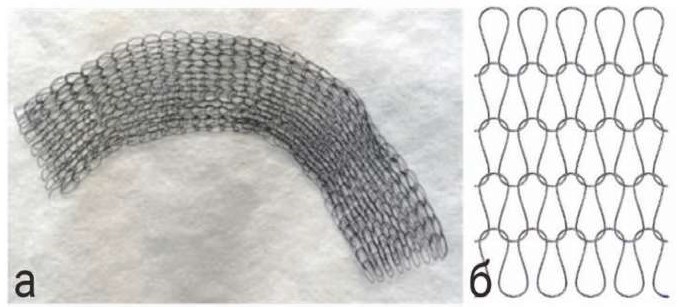
Materials and methods. The study was performed on 30 Wistar rats weighing 400–500 g aged 70–90 days. An implantable material made from a low-modulus superelastic TiNi wire with a diameter of 40 μm, grade TN-10, was tested. An experimental specimen was prepared in the form of a warp-knitted tape. The animals were divided into the following groups. In group “A” (n = 10), the material under test was implanted into the area of a fenestrated defect of the anterior abdominal wall muscle. In group “B” (n = 10), the material was implanted into the area of the dissected parietal peritoneum under the left dome of the diaphragm. In group “C” (n = 10), the material was implanted under the muscles of the anterior neck surface. The laboratory animals were withdrawn from the experiment following 14, 30, 60, and 90 days after implantation of the metal-knit fabric. The biointerface between the metal-knit fabric and skeletal muscle tissue was assessed based on histological examination and scanning electron microscopy in the setting of a long-term experiment on laboratory animals. The research was conducted using an Axio Lab.A1 microscope, an AxioCam ERc 5s camera, and the AxioVision Rel. 4.8 software.
Results. Across all test groups, on day 14 post-implantation, a thin layer of newly formed connective tissue in the implantation area was observed. On days 30, 60, and 90 of the experiment, a trend toward denser ingrowth of collagen fibers was noted, with the formation of bundles around the NiTi wire. The formation of muscle buds and fibers was recorded on day 60. By day 90, a mature tissue regenerate in the implantation zone had been identified. This regenerate consisted of muscle fibers and the metal-knit fabric, between which fibrocytes, fibroblasts, bundles of collagen fibers, and blood vessels were located.
Conclusions. The NiTi wire-based metal-knit fabric is a safe, biocompatible material, which promotes the reparative regeneration of skeletal muscle tissue under various biomechanical conditions. This material holds promise for the surgical treatment of skeletal muscle tissue defects, thus deserving further clinical studies.
NEUROTECHNOLOGY
Introduction. Glioblastoma is the most common primary malignant brain tumor in adults. Despite modern treatment approaches involving surgical tumor resection followed by radiation and chemotherapy, the disease is typically associated with an unfavorable prognosis with the median survival of patients after diagnosis of about 14.6 months. This is largely attributable to the high chemoresistance of glioblastoma to therapy, determined, among other reasons, by its resistance to oxidative stress.
Objective. Generalization of data on redox-dependent mechanisms of glioblastoma chemoresistance, as well as an analysis of the prospects for using drugs that destabilize redox homeostasis in glioblastoma therapy.
Discussion. In response to therapy, tumor cells activate antioxidant systems, thereby retaining the release of reactive oxygen species induced by chemotherapeutic agents, stabilizing intracellular redox homeostasis, and preventing the development of oxidative stress. In this regard, the use of compounds that enhance the generation of intracellular reactive oxygen species or suppress the activity of key components of antioxidant defense appears to be a promising approach for sensitizing tumors to therapy. A number of drugs based on such compounds, either as monotherapy or in combination with other approaches, have shown efficacy in preclinical trials and demonstrated effectiveness in treating patients with glioblastoma during clinical studies.
Conclusions. The search for more selective inhibitors of antioxidant systems, optimization of their delivery to the tumor, and patient stratification based on molecular-genetic and biochemical markers of tumor redox homeostasis could increase the effectiveness of glioblastoma therapy.
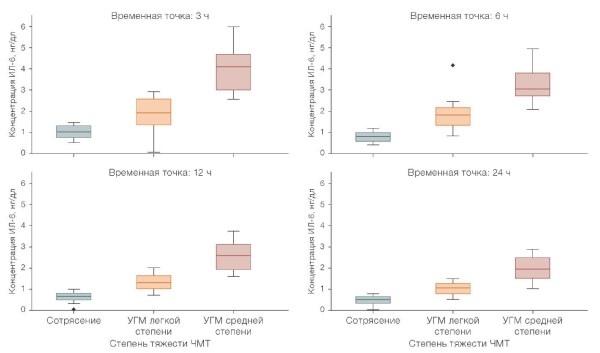
Introduction. Traumatic brain injury (TBI) remains a serious healthcare problem due to its heterogeneity and unpredictable outcomes. In TBI, secondary inflammatory cascades are frequently associated with the level of interleukin-6 (IL-6). However, its diagnostic and prognostic value at various time points after injury requires further investigation in athletes.
Objective. To evaluate the diagnostic accuracy and prognostic significance of IL-6 in stratifying TBI severity at various time points after injury with the use of machine learning models.
Materials and methods. A prospective cohort study was conducted among 89 male athletes, with a mean age of 28.7 ± 5.3 years. These athletes were actively engaged in contact sports (mixed martial arts and kudo) and had documented evidence of concussion or mild to moderate brain contusion. Sequential blood plasma collection was performed at 3, 6, 12, and 24 h post-injury. IL-6 concentration was determined using validated enzyme-linked immunosorbent assay (ELISA) protocols. In order to classify injury severity, models were trained using gradient boosting (XGBoost), logistic regression, and random forest algorithms. The accuracy of model responses was evaluated using ROC analysis. To identify the most significant time points, the SHAP (SHapley Additive exPlanations) feature importance method was applied. For patient prediction and stratification, a model based on a long short-term memory (LSTM) recurrent neural network was implemented. Statistical validation used the Kruskal–Wallis H-test (H = 31.77; p < 0.001) and Spearman’s correlation analysis (rs = 0.81; p < 0.001).
Results. The greatest discriminatory ability of IL-6 concentrations for moderate brain contusion was noted at 6 and 12 h. The XGBoost model achieved an area under the curve of 0.92 [95% CI: 0.88; 0.96], with a sensitivity of 87% and a specificity of 84%. The SHAP analysis revealed that IL-6 values at 6 and 12 h had the greatest impact on the model’s predictions. Logistic regression and random forest yielded areas under the curve of 0.84 and 0.88, respectively. The identified diagnostic window between 6 and 12 h post-injury coincides with the peak of neuroinflammatory activity.
Conclusions. The level of IL-6 measured within 6–12 h after TBI represents a specific biomarker for early stratification of injury severity. The integration of explainable machine learning approaches provides robust and clinically relevant decision support in neurotraumatology.
TOXICOLOGY & CLINICAL PHARMACOLOGY
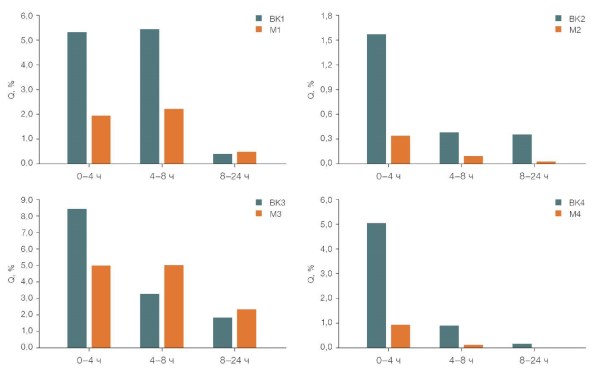
Introduction. 5-Hydroxyiminobarbituric (violuric) acid and its derivatives exhibit pronounced anti-hypoxic, hepatoprotective, cytoprotective, actoprotective, and other properties, making this group of compounds a promising field for pharmaceutical research. Data on the metabolism of violuric acids (VAs) are of significant practical and theoretical importance for the tracking of pharmacokinetics and substance distribution within the organism, in which process metabolites serve as markers of biochemical processes involving endogenous substrates.
Objective. To determine the structure of violuric acid metabolites and perform their quantitative assessment in an in vivo experiment.
Materials and methods. The studied substances (VAs) and their metabolites (purpuric acids) were synthesized at the Golikov Research Center of Toxicology. Their structure and purity were confirmed by nuclear magnetic resonance (NMR) spectroscopy, high-performance liquid chromatography (HPLC), and spectrophotometry (SP). Metabolism and anti-hypoxic activity were studied using a model of hemic hypoxia induced by a lethal dose of sodium nitrite in outbred male white rats. Solutions of violuric acids for in vitro studies and administration to animals were prepared in distilled water with the addition of tris(oxymethyl)aminomethane (TRIS), while purpurates in the form of salts were dissolved in distilled water. The dosages of the test substances for rats ranged from 50–75 mg/kg for intraperitoneal administration and 50–100 mg/kg for intragastric administration. The reference substance (amtizole succinate) was administered to animals at a dose of 100 mg/kg. A 0.9% sodium chloride solution, administered at a volume of 1 mL per animal, was used as a control. Quantitative analysis of the substances and their metabolites in biological media was performed by HPLC with SP detection.
Results. It was established that the studied substances (violuric acid, 2-thiovioluric acid, 1-butylvioluric acid, and 1-(4-bromophenyl)violuric acid) are metabolized in the animal organism to form the corresponding derivatives of purpuric acid (purpurates), whose structure was confirmed by counter synthesis. Violuric acids and their metabolites are primarily excreted in the urine. It was demonstrated that 1-butylvioluric acid and its metabolite N,N’-dibutylpurpuric acid exhibit pronounced anti-hypoxic activity in the model of acute sodium nitrite poisoning, preventing mortality in 100% of animals, whereas the reference antihypoxant amtizole only prolongs survival time (by 23%).
Conclusions. The formation of purpurates is a characteristic pathway of metabolic transformation for the violuric acid scaffold. These metabolites exhibit pronounced activity and, in all likelihood, can contribute to the overall biological effect of violuric acids.
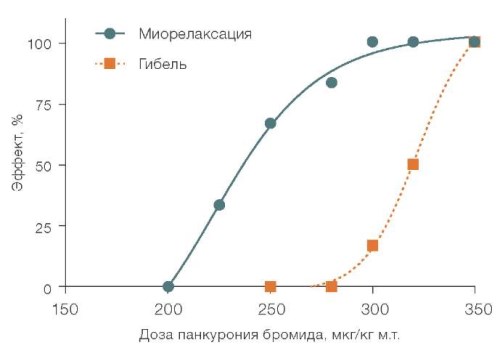
Introduction. The problem of intermediate syndrome following anticholinesterase poisoning remains poorly studied. This syndrome is clinically manifested as a myasthenic condition developing after the cholinergic crisis, affecting the muscles of the face, neck, proximal limbs, and respiratory muscles. The current literature describes limited attempts to use non-depolarizing muscle relaxants for the prevention and treatment of this condition. However, given the diversity of mechanisms underlying toxic myasthenia in anticholinesterase poisoning and the low safety profile of non-depolarizing muscle relaxants, research into the effective and toxic doses of these drugs is highly relevant for establishing the principles of their use in correcting neuromuscular transmission disorders.
Objective. To experimentally evaluate the efficacy of pancuronium bromide, a non-depolarizing muscle relaxant, in correcting neuromuscular transmission impairments in cases of anticholinesterase poisoning.
Materials and methods. Experimental, two-stage studies were conducted using male outbred white rats weighing 220–250 g (n = 78). Initially, pancuronium bromide was administered subcutaneously to intact animals to determine effective doses. The severity and duration of the muscle relaxant effect were assessed using clinical and functional tests (hanging on a horizontal bar, assessment of movement impairments according to the De Bleecker scale), and electromyography (single and rhythmic stimulation at 30 Hz). Subsequently, therapeutic doses of the drug were determined in a rat model of fenthion poisoning (12 h after its single subcutaneous administration at an LD50 dose of 479.4 mg/kg) based on data from the aforementioned methods and evaluation of changes in animal mortality rates. Statistical analysis of the results was performed using non-parametric statistical methods in the Prism GraphPad 9.0 software environment.
Results. Based on the assessment of neurological status and electromyography results, the median effective dose (ED50) of pancuronium upon subcutaneous administration in intact rats was found to be 238.0 [95% CI: 219.8; 257.7] μg/kg. In contrast, against the background of severe fenthion poisoning, its therapeutic dose was statistically significantly lower (p < 0.05, Student’s t-test), amounting to 90.1 [95% CI: 77.3; 105.1] μg/kg. Similar trends were observed for the median lethal doses (LD50) of pancuronium bromide: 321.1 [95% CI: 305.8; 337.1] μg/kg and 152.3 [130.6; 177.6] μg/kg, respectively. Administration of pancuronium at the median therapeutic dose reduced the severity of the myasthenic syndrome induced by fenthion poisoning, manifesting as restored muscle strength and normalized electrophysiological characteristics of neuromuscular transmission.
Conclusions. The experiment demonstrated that pancuronium bromide can be used to correct neuromuscular transmission disorders underlying the intermediate syndrome emerging as a result of anticholinesterase poisoning. The effective dose for this correction is 90.1 μg/kg, which is 2.6-fold lower than the effective dose for healthy animals (238.0 μg/kg). The main electrophysiological criteria for the regression of the neuromuscular block should include a reduction in the number of repeated M-responses and the restoration of the decrement-increment pattern of the M-response series, which persist for 1 h after pancuronium bromide administration.
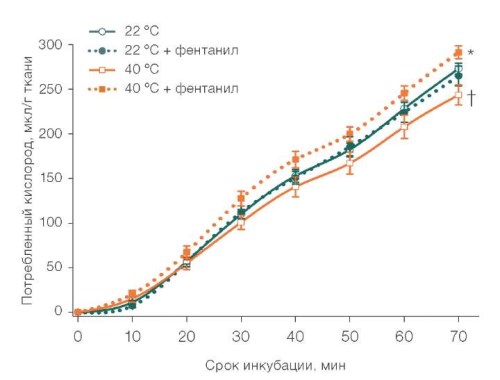
Introduction. As a rule, preclinical safety assessment of narcotic analgesic agents is conducted at ambient temperatures of 20–24 °C. However, their clinical use may occur under different thermal conditions. Previous studies have demonstrated the ability of heat stress to potentiate the lethal and narcotic effects of fentanyl in rats, yet the mechanisms underlying this phenomenon remain unknown.
Objective. Testing hypotheses on the mechanisms of fentanyl toxicity potentiation in rats under heat stress conditions.
Materials and methods. The study was conducted on outbred male albino rats weighing 191–210 g. We investigated the effects of intravenous fentanyl administration at a dose of 200 μg/kg and/or a 40-min exposure to an ambient temperature of 40 °C on body temperature and mass, brain moisture content and mass, glutamine concentration in brain tissue, biochemical parameters of blood collected from the a. carotis communis and v. jugularis interna, and oxygen consumption by brain homogenates. Statistical analysis was performed using the OriginPro software.
Results. Fentanyl administration induced opisthotonus, coma, bradypnea, and fundal cyanosis. The 40-min lethality following fentanyl injection was 0–9% at an ambient temperature of 22 °C and 68–71% at an ambient temperature of 40 °C. In surviving rats removed from the thermal chamber, rectal temperature was elevated to 42.9 °C. The relative mass of the freshly isolated brain and the brain dried to a constant weight increased by 7.4% and 7.2%, respectively. Glutamine content in brain tissue increased by 46%. Plasma concentrations of ammonia, creatinine, and lactate were elevated by 2.0–2.2, 2.1–2.3, and 1.5–1.6 times, respectively. In the absence of fentanyl administration, no lethality was observed in rats placed in the thermal chamber. Rectal temperature increased to 42.7 °C. The relative mass of the freshly isolated brain and the dried brain increased by 6.1% and 8.9%, respectively. Brain glutamine content increased by 43%. Plasma creatinine levels rose by 2.2–2.4 times, and lactate levels increased by 25–45%. In the absence of heat stress, fentanyl increased plasma creatinine concentration only by 1.6–1.8 times. The arteriovenous gradient of plasma ammonia concentration was positive in all animals. Oxygen consumption by brain homogenates decreased by 10% under isolated heat stress and increased by 7% under a combined action of heat stress and fentanyl administration.
Conclusions. Hypoxemia, lactic acidemia, and hyperammonemia were necessary conditions for the aggravating effect of heat stress on acute fentanyl intoxication in rats. Conversely, irreversible thermal damage to biological tissues, organism dehydration, cerebral edema, swelling, hyperemia, and glutamine accumulation in the brain were not identified as such necessary conditions.
AVIATION & SPACE MEDICINE
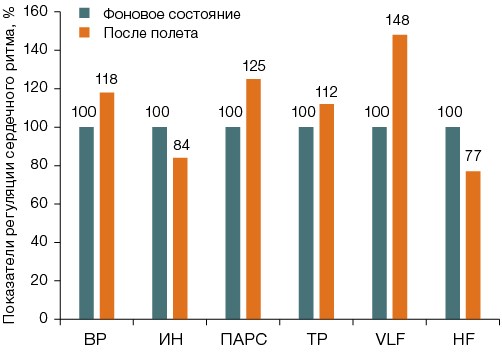
Introduction. The development and implementation of improved methods for assessing the functional state of pilots during their professional activities remains a priority direction in aviation medicine due to the need to preserve the professional health and reliability of pilots and, consequently, ensure flight safety. According to contemporary research, eye tracking is increasingly gaining application in medical and paramedical fields. Human oculomotor activity is influenced by numerous internal and external factors, especially during the performance of various cognitive tasks. Therefore, its assessment holds significant potential for diagnosing the functional state of individuals in extreme professional settings.
Objective. To study and substantiate the potential of applying eye tracking technologies for assessment of the functional state of pilots.
Materials and methods. The study involved 22 pilots who were requested to perform flights on aviation simulators with simulated emergency and abnormal situations. The pilots were divided into two groups based on the correctness of their actions in emergency situations. Group 1 (n = 10) (mean age 25.5 ± 2 years) was rated in the range of 7–8 points on a 10-point scale, while Group 2 (n = 12) (mean age 31.5 ± 2 years) was rated in the range of 8–9 points. The functional state of the pilots was assessed both before and after the simulator flight during the performance of various cognitive tasks. Parameters of heart rate regulation (via mathematical-statistical and spectral parameters of the cardiorhythmogram), balance and mobility of nervous processes (assessment of simple and complex sensorimotor reactions), attention properties, and oculomotor activity using an eye tracker were recorded. Statistical data processing was performed using the Microsoft® Excel-2016 software and the SPSS 26 application software package.
Results. In Group 1, the pilots demonstrated a decrease in saccadic velocity characteristics, signs of strain of the body’s adaptation mechanisms according to heart rate variability data, and a reduction in the functional level of the central nervous system. In Group 2, the pilots showed no significant changes in fixation and gaze movement characteristics. However, the cardiorhythmogram revealed moderate strain of adaptation mechanisms and an increased functional level of the central nervous system. Correlation analysis of the data obtained established tight statistical relationships of the velocity parameters of gaze movement with both heart rate variability parameters (PARS, rs = 0.53; p ≤ 0.01) and attention properties, such as capacity (r = -0.62, p ≤ 0.01) and distribution (rs = –0.57; p ≤ 0.01).
Conclusions. Changes in the oculomotor activity parameters of a pilot during the performance of cognitive tasks while simulating emergency and abnormal situations on an aviation simulator exhibit a co-directional pattern with the dynamics of heart rate regulation, attention properties, as well as the balance and mobility of nervous processes. Saccadic velocity parameters showed tight statistical relationships with both the integral PARS indicator, characterizing the degree of strain of the body’s adaptation mechanisms, and attention capacity and distribution. Eye tracking holds significant potential for diagnosing the functional state of pilots during professional activities as a modern, effective, and integral method.
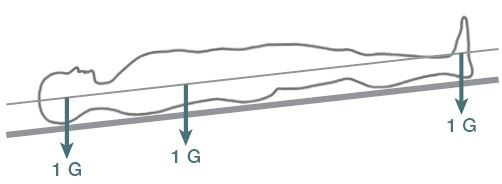
Introduction. Insufficient physical activity is a key risk factors in the development of cardiovascular diseases. Such a condition can be simulated by head-down tilt bed rest (HDBR) studies, which enable the investigation of pathophysiological changes in the heart. Previous HDBR experiments have identified structural alterations in the heart, including decreased arterial pressure, impaired autonomic regulation, and vascular remodeling. However, the molecular mechanisms underlying these processes remain poorly understood.
Objective. To investigate links between functional parameters of the cardiovascular system and NT-proBNP and ST2 cardiac biomarkers.
Materials and methods. The experiment involved six volunteers who were subjected to 21-day HDBR. The parameters of heart rate variability (HRV), dispersion mapping (ECG DM), as well as levels of NT-proBNP and ST2 protein concentrations in venous blood samples, were evaluated. The examination was conducted five days before the onset of HDBR, on Days 1, 10, and 20 during HDBR, and on Day 5 after the experimental exposure. All computations were performed using the Statistica 12 statistical software package.
Results. The NT-proBNP protein concentration significantly decreased on Days 10 and 20 of the experiment, while the ST2 protein concentration was permanently decreasing from the first days of HDBR. The left ventricular depolarization index increased sharply in the middle of the study, although having returned to their baseline values by Day 5 after the cessation of the exposure. Sympathetic activity had increased by Day 20.
Conclusions. Interrelationships between functional parameters of the cardiovascular system and cardiac biomarkers were established, which may indicate that HDBR triggers the activation of neurohumoral and metabolic regulatory circuits in the setting of increased sympathetic autonomic modulating effects.
OCCUPATIONAL MEDICINE
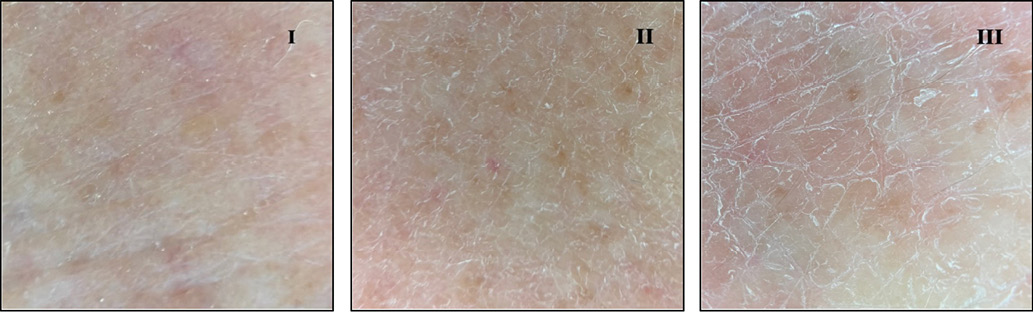
Introduction. In miners, skin lesions are associated with dysfunction of various morphofunctional skin structures: epidermis; microvasculature; nerves of the dermis and hypodermis. In order to preserve the health of the skin as an independent anatomical unit, a complex of medical preventive measures has been developed, which includes topical and systemic therapy.
Objective. To evaluate the efficacy of a complex of medical preventive measures for skin lesions in vibration-exposed miners.
Materials and methods. A prospective, single-center, open-label, randomized controlled trial was conducted before and after the implementation of medical preventive measures for skin lesions in miners. The study included vibration-exposed miners (n = 77) divided into a main group and a control group. Their skin condition dynamics were analyzed through clinical examination and polarized dermoscopy, as well as assessment of skin microcirculation and oxidative metabolism by means of a device combining laser Doppler flowmetry with fluorescence spectroscopy. Statistical processing was performed via generally accepted statistical methods, employing Microsoft Excel 2018 and StatTech v. 4.9.5 software (StatTech, Russia).
Results. In the entire cohort of examined patients, a total of 57 (74%) individuals were diagnosed with the following skin diseases: other epidermal thickening, skin appendage diseases, allergic dermatoses, infectious skin diseases, papulosquamous dermatoses, photosensitive dermatoses, and pigmentation disorders. An analysis of clinical and dermoscopic manifestations revealed a significant positive dynamics of the pathological process in the main group (p < 0.001). Of all subjects, skin microcirculation dysfunction was detected in 55 (71.5%) miners. The main group exhibited a statistically significant increase in the microcirculation parameter (p = 0.004), a decrease in the fluorescence amplitude of reduced nicotinamide adenine dinucleotide (p = 0.002), and an increase in the oxidative metabolism index (p < 0.001).
Conclusions. The obtained results prove the efficacy of the developed complex of medical preventive measures. These measures can be implemented in addition to traditional methods of secondary prevention and rehabilitation of mining industry workers.

ISSN 3033-8972 (Online)